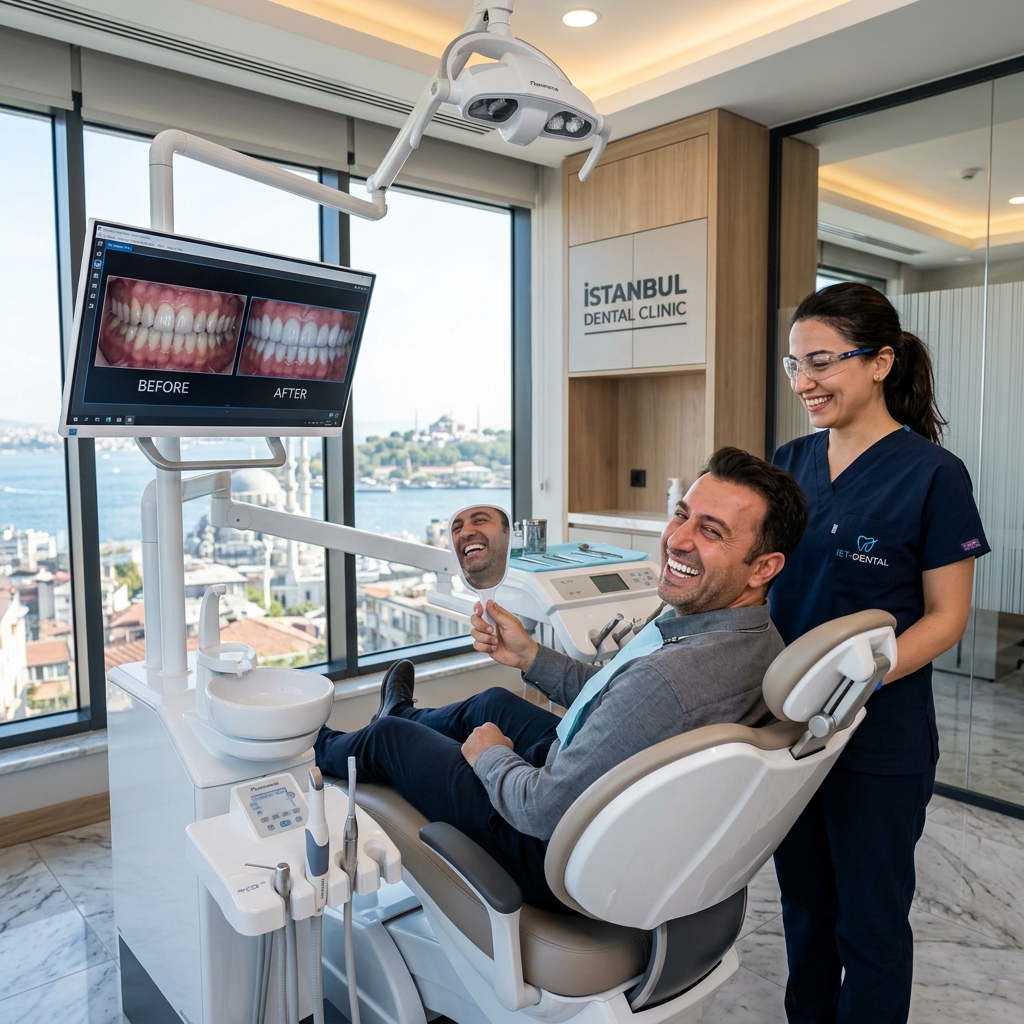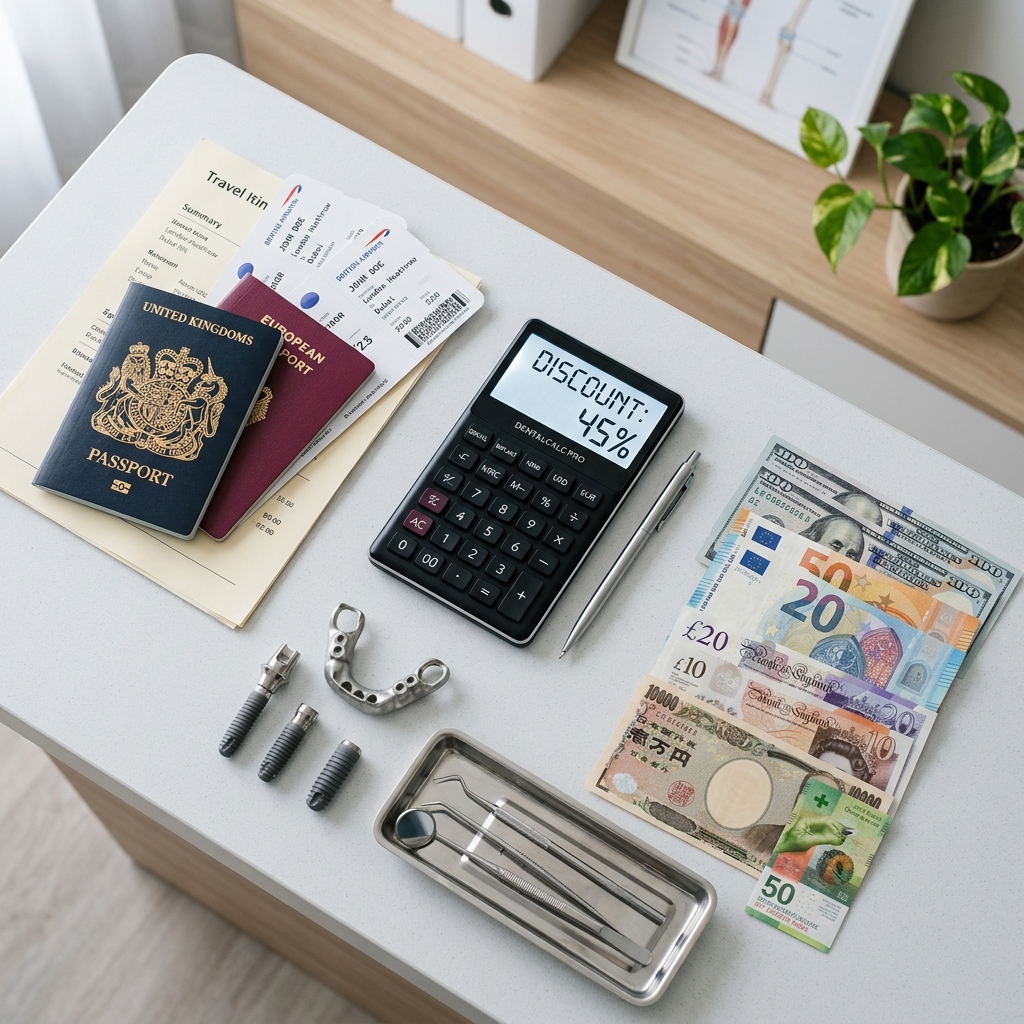


Introduction: What is the All-on-6 Dental Implant Technique?
Are you struggling with significant tooth loss across your entire arch, or are you tired of loose, uncomfortable dentures that slip and cause pain while chewing or speaking? Historically, replacing a full arch of teeth required 8 to 10 separate implants, making full-mouth restoration complex and financially prohibitive. Today, All-on-6 dental implants in Turkey offer a revolutionary, minimally invasive surgical approach to restore a strong, functional smile with only six implants.
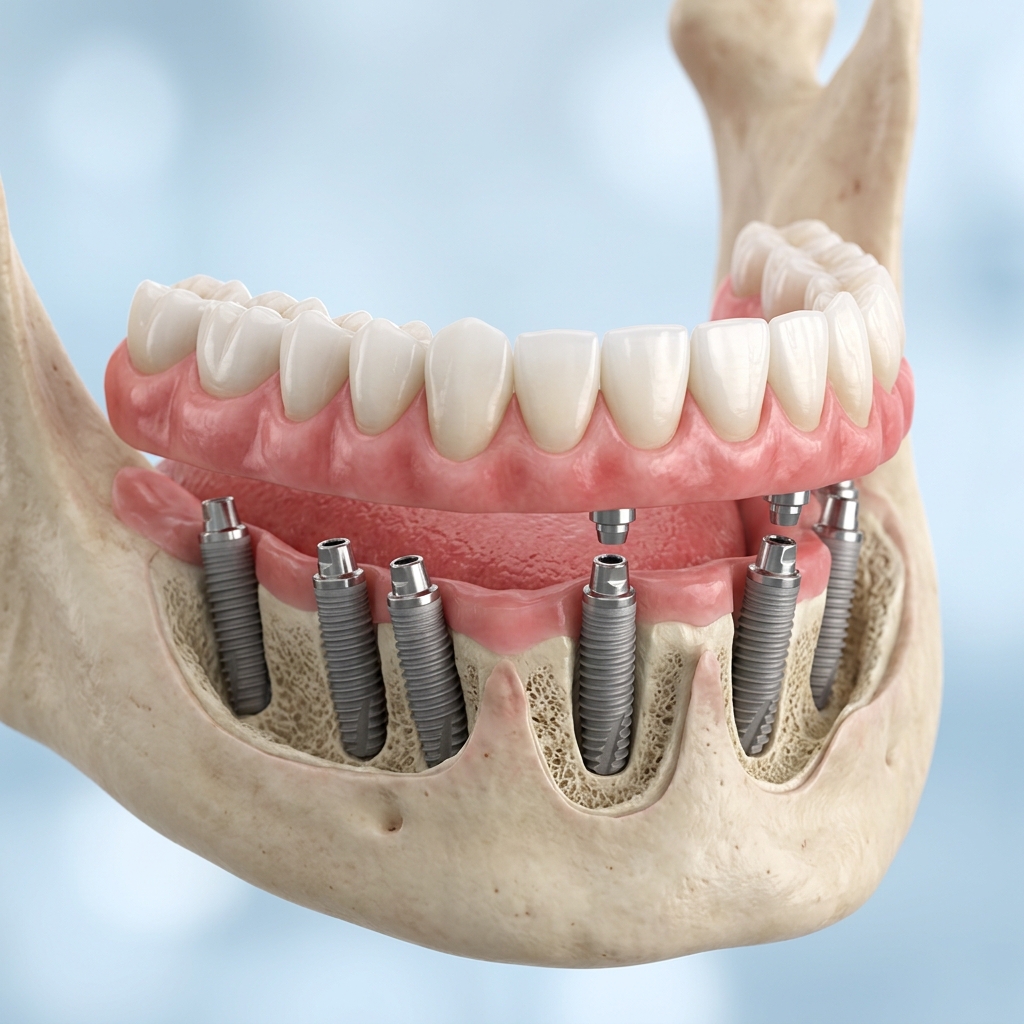
This state-of-the-art procedure places six medical-grade titanium implants in strategic, high-density areas of the jawbone, establishing an ultra-stable anchor for a customized, fixed dental bridge. In this comprehensive guide, we discuss the differences between All-on-6 and All-on-4, outline the surgical and healing phases, and break down the total cost considerations in Turkey.
All-on-6 vs. All-on-4: Clinical Comparison
While both methods successfully restore complete dental arches, key clinical distinctions govern the choice of treatment:
- Load Distribution: All-on-6 utilizes two additional implants, distributing bite forces more evenly across the jaw. This extra load distribution reduces stress on individual implants and prevents jawbone resorption.
- Bone Density Requirements: The All-on-4 technique requires moderate bone density and concentrates implants in the front of the jaw. Conversely, All-on-6 spreads implants along the entire arch, which requires sufficient bone volume in the posterior (back) regions.
- Chewing Capacity: All-on-6 is highly recommended for patients with a wider jaw structure, strong bite forces, or a diet preference for solid foods, restoring natural chewing capacity by 100%.
Why Choose Turkey for All-on-6 Dental Implants?
Turkey, particularly Istanbul, is a premier global hub for oral surgery and medical tourism, owing to several distinct clinical and travel benefits:
- Exceptional Cost Efficiency: The total cost of an All-on-6 procedure in Turkey ranges between $5,000 and $10,000 per arch. This represents a saving of up to 70% compared to typical costs in the US, UK, or Europe, which often range from $20,000 to $35,000.
- Advanced Digital Dentistry: Turkish clinics deploy advanced 3D Cone Beam Computed Tomography (CBCT) and computer-guided surgery software to optimize implant angulation, ensuring safety and precision.
- All-Inclusive Treatment Packages: Most packages cover high-end hotel accommodation, VIP airport-to-clinic transfers, and dedicated language translation services, ensuring a stress-free experience.
Step-by-Step All-on-6 Surgical Procedure
Phase 1: Consultation and CBCT Planning
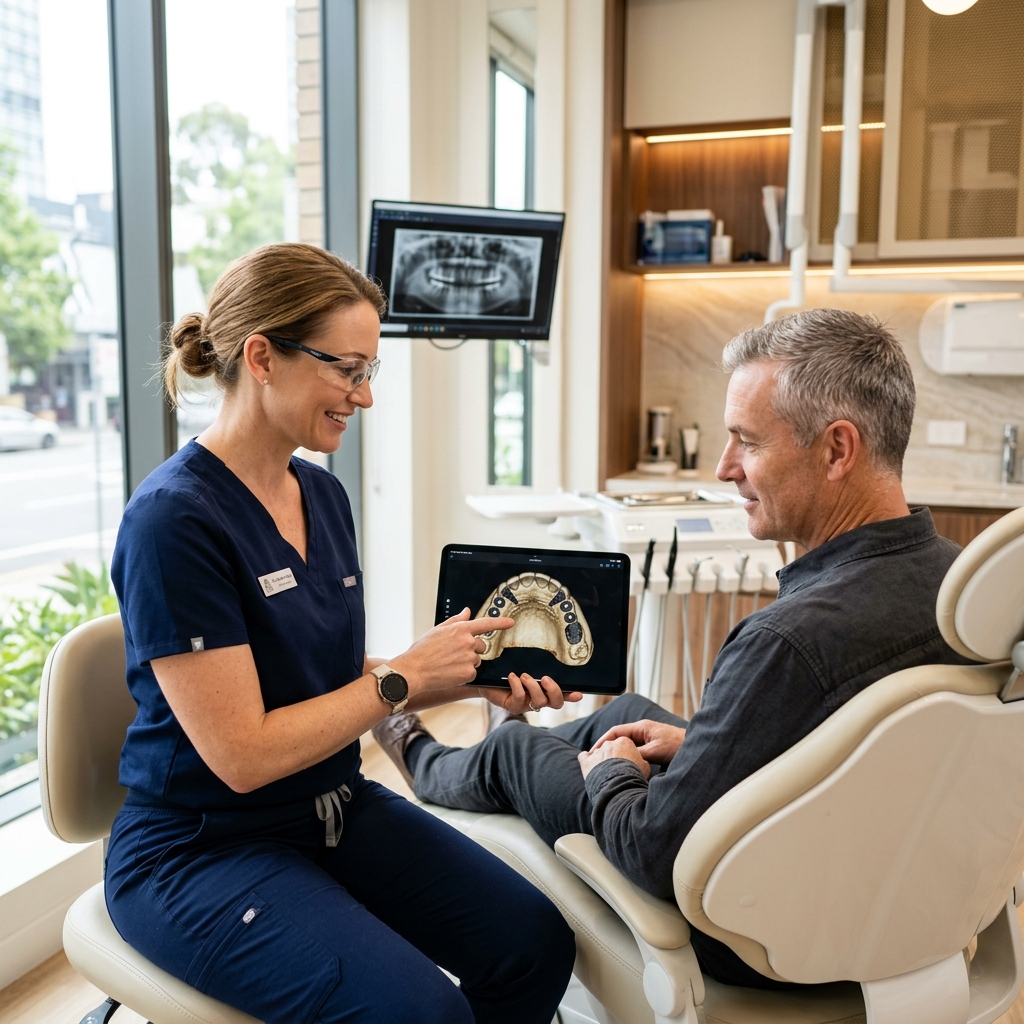
The dentist performs a thorough clinical examination, taking 3D CBCT scans to assess bone density, sinus proximity, and nerve pathways. Using this data, the surgeon digitally plans the precise entry angles for the six implants.
Phase 2: Implant Placement and Temporary Restoration
Performed under local anesthesia or conscious sedation, the surgeon prepares the jaw and inserts the six titanium posts. A temporary acrylic bridge is often attached on the same day, enabling the patient to smile and eat soft foods during healing.
Phase 3: Osseointegration (Healing Period)
Over a span of 3 to 6 months, the jawbone integrates with the titanium surfaces in a process called osseointegration. This fuses the implants to the bone, establishing a permanent root system.
Phase 4: Permanent Bridge Placement
Once healing is complete, the patient returns for final impression mapping. The permanent bridge—crafted from durable zirconium or porcelain—is secured, and the occlusion (bite) is adjusted for comfort.
Critical Post-Treatment Aftercare Tips
Maintaining proper oral hygiene is crucial to prevent peri-implantitis (gum infection around implants) and ensure long-term success:
- Follow a strict soft food and liquid diet for the initial weeks post-surgery.
- Brush twice daily using a soft-bristled toothbrush and non-abrasive toothpaste.
- Use a water flosser daily to rinse away debris accumulating beneath the bridge and around the implant bases.
- Avoid smoking, as it limits blood flow to the gums, hindering the osseointegration process.
- Schedule dental check-ups every 6 months for professional cleaning and implant monitoring.