

Introduction: Why E-max Veneers Are the Gold Standard for Hollywood Smiles
Are you looking for a smile that looks completely natural and lasts for years without losing its brilliance? E-max veneers in Turkey have become the premier choice for thousands of international patients seeking cosmetic excellence and clinical safety. Enhancing your smile is a lifetime investment in your confidence and oral health. In this comprehensive guide, we cover the material science, longevity expectations, actual costs in Turkey for 2026, and the clinical steps to achieve your target smile.
1. What Are E-max Veneers? Material and Fabrication Tech
E-max veneers are thin porcelain shells custom-bonded to the front surface of teeth to correct color, shape, and alignment. Unlike standard dental porcelain, E-max is composed of lithium disilicate glass-ceramic, a high-performance material manufactured by leading dental suppliers (Ivoclar Vivadent).
This advanced composition provides E-max with three times the durability of standard porcelain, boasting a flexural strength of 400 MPa. This makes E-max highly resistant to chipping and daily wear from mastication.
2. Core Advantages of E-max Veneers
E-max veneers are favored globally by cosmetic dentists and patients for several clinical advantages:
- Natural Translucency: The glass-ceramic structure mimics natural tooth enamel's light transmission and reflection. This avoids the artificial "opaque chalky white" appearance often seen in bulk Zirconia and ensures a realistic blend.
- Minimal Tooth Preparation: With a thickness of just 0.3 to 0.5 mm, E-max requires minimal reduction of the natural enamel layer. This preserves the structural integrity and health of your original teeth.
- High Stain Resistance: The non-porous glazed ceramic surface prevents discoloration from coffee, tea, red wine, or tobacco, maintaining a bright smile over time.
- Biocompatibility: E-max is completely metal-free, preventing gingival irritation, gray lines at the gumline, or allergic reactions.

3. E-max Veneers Longevity: How Long Do They Last?
The lifespan of E-max veneers ranges from 10 to 20 years with proper oral hygiene and regular maintenance. To optimize longevity, patients should observe the following guidelines:
- Brush twice daily using a soft-bristled toothbrush and a non-abrasive toothpaste, alongside daily flossing to clear interdental plaque.
- Avoid nail-biting, chewing ice, opening packages, or tearing tape with your teeth.
- Wear a custom nightguard if you suffer from sleep bruxism (teeth grinding) to shield the ceramic layers from high mechanical forces.
- Visit your dentist every 6 months for professional scaling, polish, and margins inspection.
4. Cost of E-max Veneers in Turkey vs. Abroad
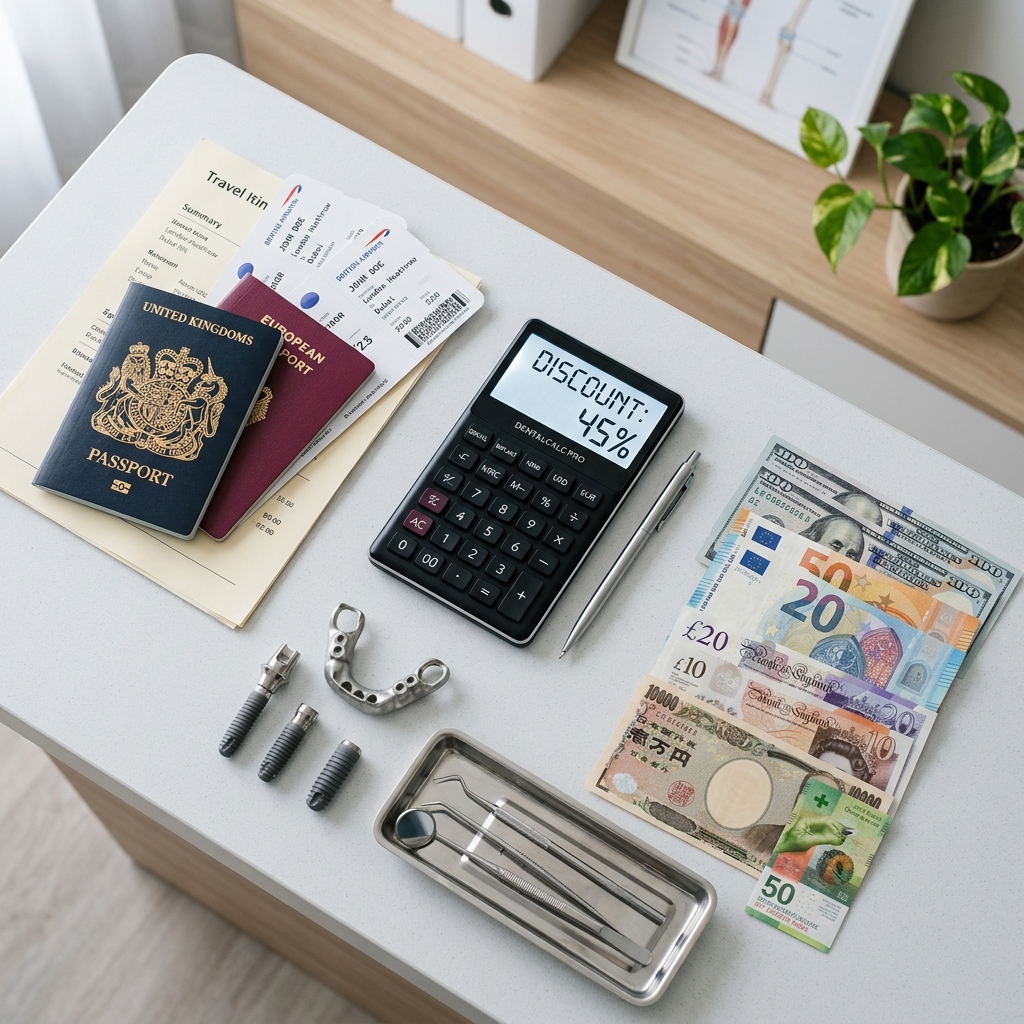
Turkey is a prime destination for bariatric and cosmetic dental tourism due to competitive pricing. A single genuine E-max veneer unit in Istanbul ranges from €180 to €300. In comparison, a single unit starts at €700 in Europe and exceeds $1,500 in the USA.
This cost difference allows patients to obtain a full Hollywood smile package (often comprising 20 veneer units, luxury hotel accommodation, transfers, and medical translation) at a fraction of the cost of local treatments.
5. Clinical Procedure Timeline (5-7 Days in Turkey)
Turkish dental clinics coordinate the entire workflow efficiently within a week:
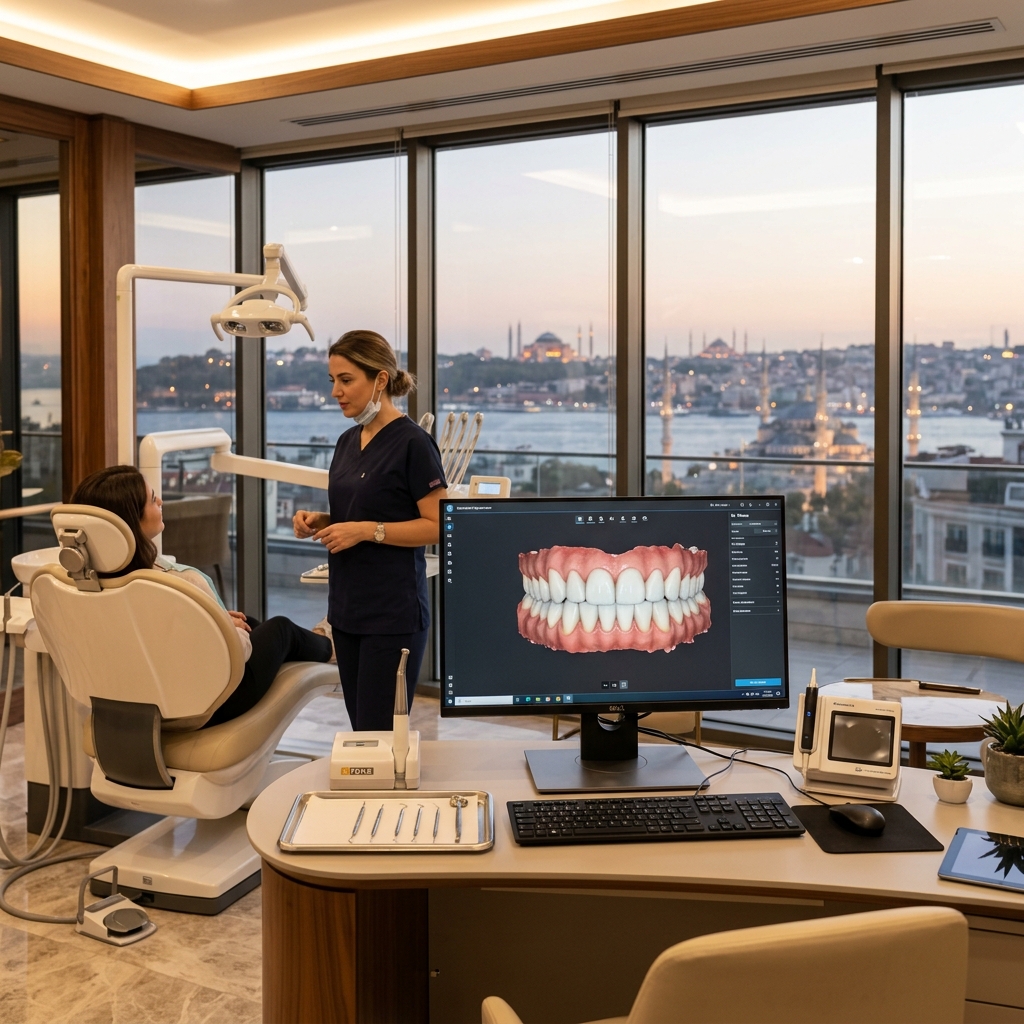
- Day 1 (Consultation & Prep): 3D X-rays and digital photography are captured. Using Digital Smile Design (DSD) software, the dentist selects the ideal shade and shape. Teeth are prepped with a micro-shaping of the enamel, and digital impressions are taken. Temporary veneers are bonded for protection.
- Days 2-4 (Lab Fabrication): The specialized dental laboratory mills the E-max veneers using high-precision CAD/CAM systems.
- Day 5 (Trial and Final Bonding): The dentist conducts a try-in to check bite alignment, contact points, and aesthetics. Once approved, the veneers are permanently bonded using light-cured resin cement.
6. Comparison Table: E-max vs. Zirconia vs. Composite Veneers
This clinical comparison table highlights the key differences between the leading aesthetic dental options:
| Metric | E-max Glass-Ceramic | Zirconia (Monolithic) | Composite Bonding |
|---|---|---|---|
| Aesthetics & Translucency | Excellent (Closest to natural enamel) | Good (Opaque and bright white) | Moderate (Prone to staining over time) |
| Flexural Strength | Very High (~400 MPa) | Extremely High (>1000 MPa) | Moderate (Prone to wear and chipping) |
| Expected Lifespan | 10 to 20 years | 15 to 25 years | 5 to 7 years |
| Recommended Use Case | Aesthetic zones (front teeth veneers) | Posterior zones (bridges, crowns, molars) | Minor repairs or budget constraints |
Keep in mind that a long-lasting, attractive smile depends heavily on the artistic vision of the cosmetic dentist and the precision of the laboratory fabricating the ceramic shells.