


Introduction: Why You Must Pay Attention to Early Dental Warning Signs
Do you ignore mild, persistent tooth pain or assume that losing a single back tooth will not affect your oral health? Many patients delay cosmetic or clinical dental treatments, believing they are entirely optional. However, your body sends clear warning signs indicating that you need dental implants before irreversible damage occurs.
A missing tooth or untreated bone resorption does not just affect the appearance of your smile; it causes neighboring teeth to shift, gums to recede, and can alter your overall facial structure. In this comprehensive clinical guide, we detail the top 10 warning signs showing that you require dental implants and how early intervention protects your oral health.
10 Warning Signs That You Need Dental Implants
1. One or More Missing Teeth
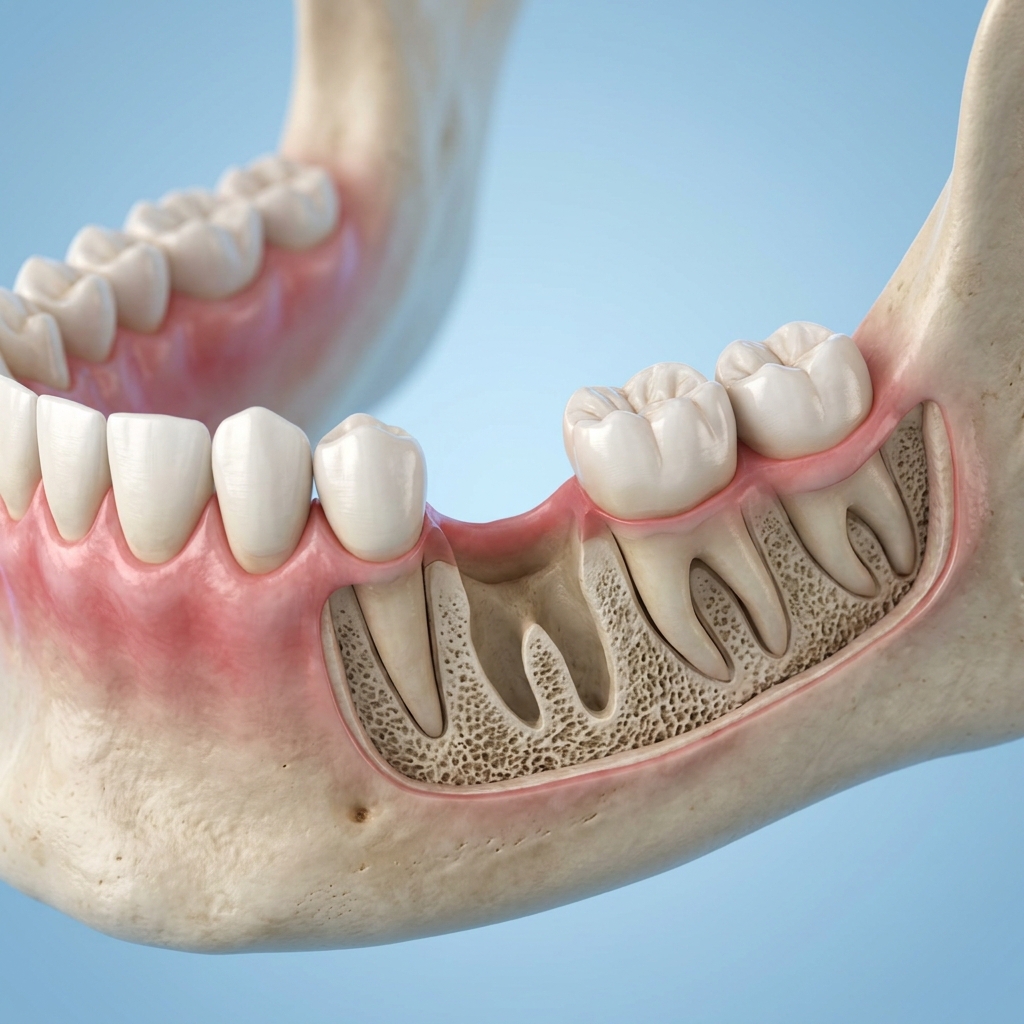
The gap left by a missing tooth is more than an aesthetic concern. Without the tooth root, the jawbone in that area stops receiving the mechanical stimulation generated by daily chewing. This lack of stimulation initiates progressive bone resorption, which weakens the support of adjacent teeth, causing them to tilt and shift from their original position.
2. Loose or Wobbly Natural Teeth
If you feel mobility or wobbling in a natural tooth when touched or during eating, it indicates damage to the supporting periodontal tissues or advanced bone loss surrounding the root. This is often caused by untreated severe gum disease. In such cases, dental implants are the ideal solution to restore stability after treating the gums.
3. Difficulty Chewing or Pain During Eating
Severe pain or the inability to grind solid foods forces you to avoid essential nutritious meals and rely on an imbalanced soft diet, negatively impacting digestive health and nutrient absorption. Replacing damaged or missing teeth with dental implants restores natural chewing capacity by 100%.
4. Severe Gum Recession Around Teeth
Gingival recession exposes sensitive tooth roots and promotes deep bacterial accumulation, accelerating root decay and tooth damage. When gum recession and bone loss reach an advanced stage where traditional treatments fail, planning for an implant becomes a necessary step.
5. Recurrent Abscesses or Chronic Infections
Repeated bacterial infections around damaged tooth roots pose a significant risk. These bacteria can travel through the bloodstream to other parts of the body. If a tooth is a source of chronic infection that does not respond to root canal therapy, extraction and replacement with a sterile titanium implant is the safest option.
6. Changes in Facial Structure and Sunken Cheeks
Tooth roots and the jawbone play a pivotal role in supporting facial muscles and skin elasticity. When multiple teeth are lost and bone resorbs, the jaw shrinks, leading to a "sunken face" appearance, where the chin moves closer to the nose, causing premature wrinkles around the lips. Dental implants preserve the jawbone structure and prevent this cosmetic collapse.
7. Poorly Fitting, Loose Dentures or Bridges
Patients relying on removable dentures often experience loosening over time due to continuous jawbone resorption, causing gum pain, ulcers, and difficulty speaking. Implants provide stable support (such as the All-on-4 technique) to anchor dentures permanently and prevent movement.
8. Persistent Bad Breath (Halitosis)
If you experience persistent bad breath that does not resolve despite brushing and mouthwash, the cause could be deep cavities, decay under old bridges, or severe infection in tissues surrounding damaged teeth. Extracting unsavable teeth and replacing them with implants eliminates the bacterial hotspots causing the odor.
9. Severely Cracked or Broken Teeth Below the Gumline
Vertical fractures or severe cracks extending to the tooth root cannot be treated with root canal therapy or crowns. Attempting to keep these teeth leads to painful bone infections. Immediate implant placement during the extraction session is the ideal solution.
10. Speech Impediments or Difficulty Pronouncing Words
Front teeth play an essential role in speech articulation and controlling airflow during speaking. Losing these teeth or having them severely loose causes a lisp or difficulty speaking clearly, affecting your confidence and daily communication.
What Happens If You Ignore These Warning Signs?
Delaying dental implant placement leads to continuous bone loss in the jaw. The longer a tooth is absent, the less bone volume remains, making future implant placement more complex. This may require additional procedures like bone grafting or a sinus lift to prepare the jaw, which increases the total treatment duration and financial cost.
Early intervention when you notice any of these warning signs is the key to preserving your oral health, helping you maintain a strong, healthy smile for a lifetime.