

Introduction to Hair Transplant Surgery
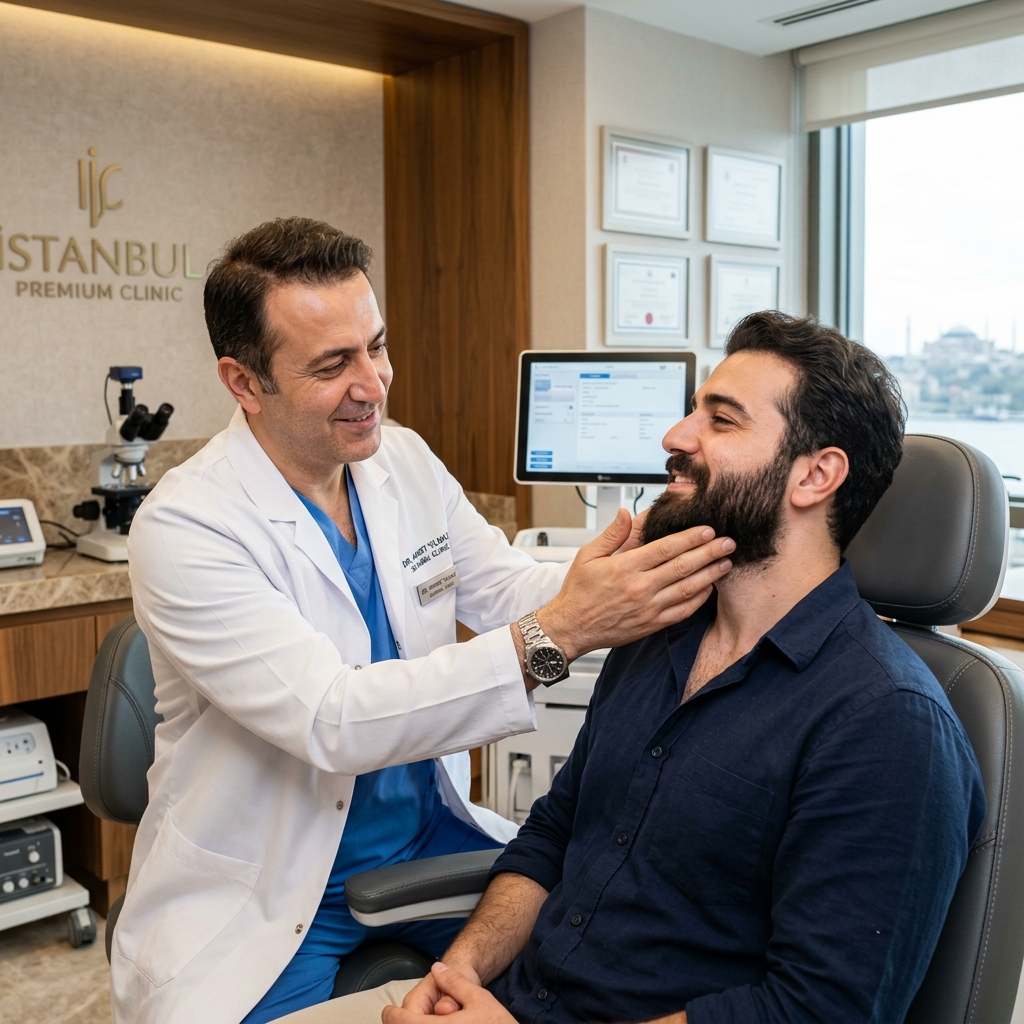
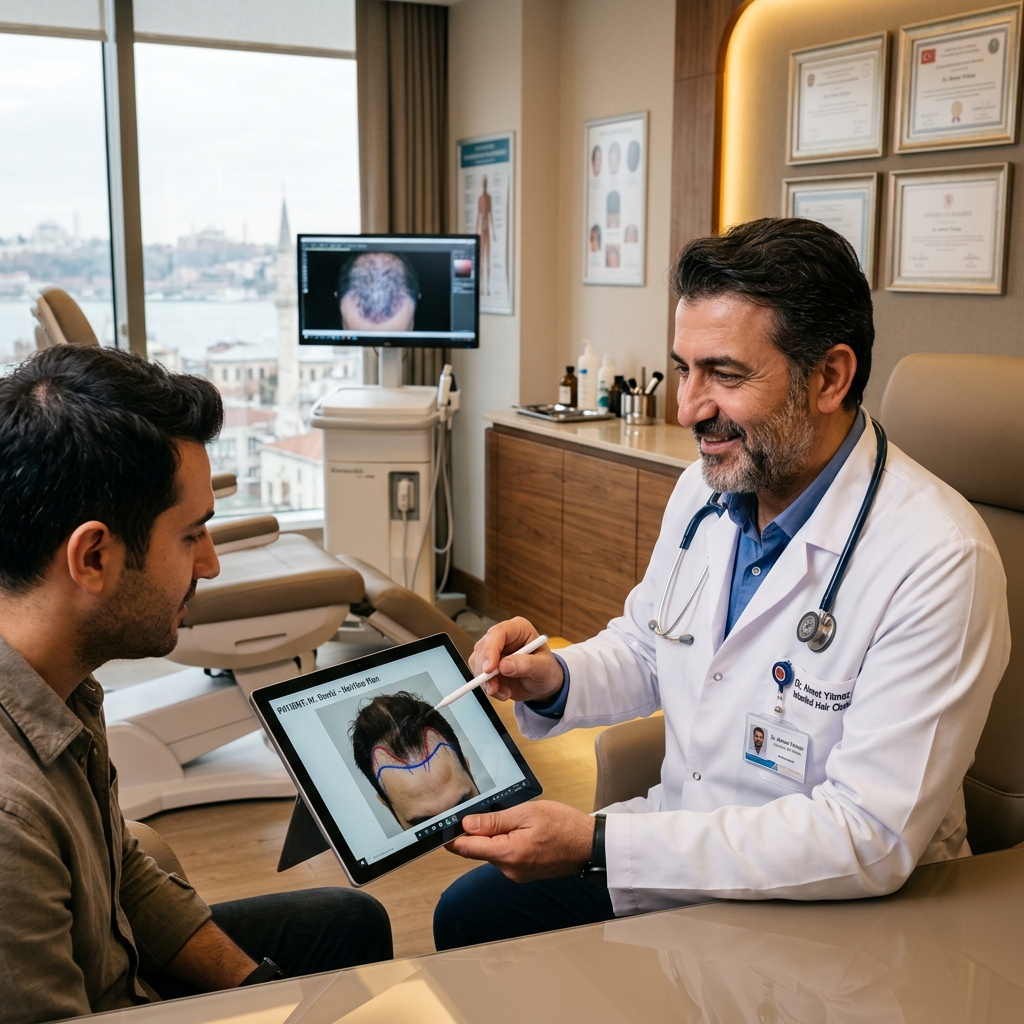
For individuals facing male pattern baldness or genetic hair loss, the question what is a hair transplant? is the starting point of a transformative journey. Today, hair restoration is no longer a cosmetic luxury but a highly advanced, scientifically proven medical solution designed to restore permanent, natural-looking hair and confidence.

The core concept of what is a hair transplant involves harvesting hair follicles that are genetically resistant to DHT (the hormone responsible for pattern baldness) from the "donor area" (usually the back or sides of the head) and meticulously implanting them into thinning or bald areas (the "recipient area"). This guide explores the techniques and results in detail.
Top 5 Hair Transplant Techniques
Modern hair restoration clinics utilize several cutting-edge techniques to address different degrees of hair loss:
1. FUE (Follicular Unit Extraction)
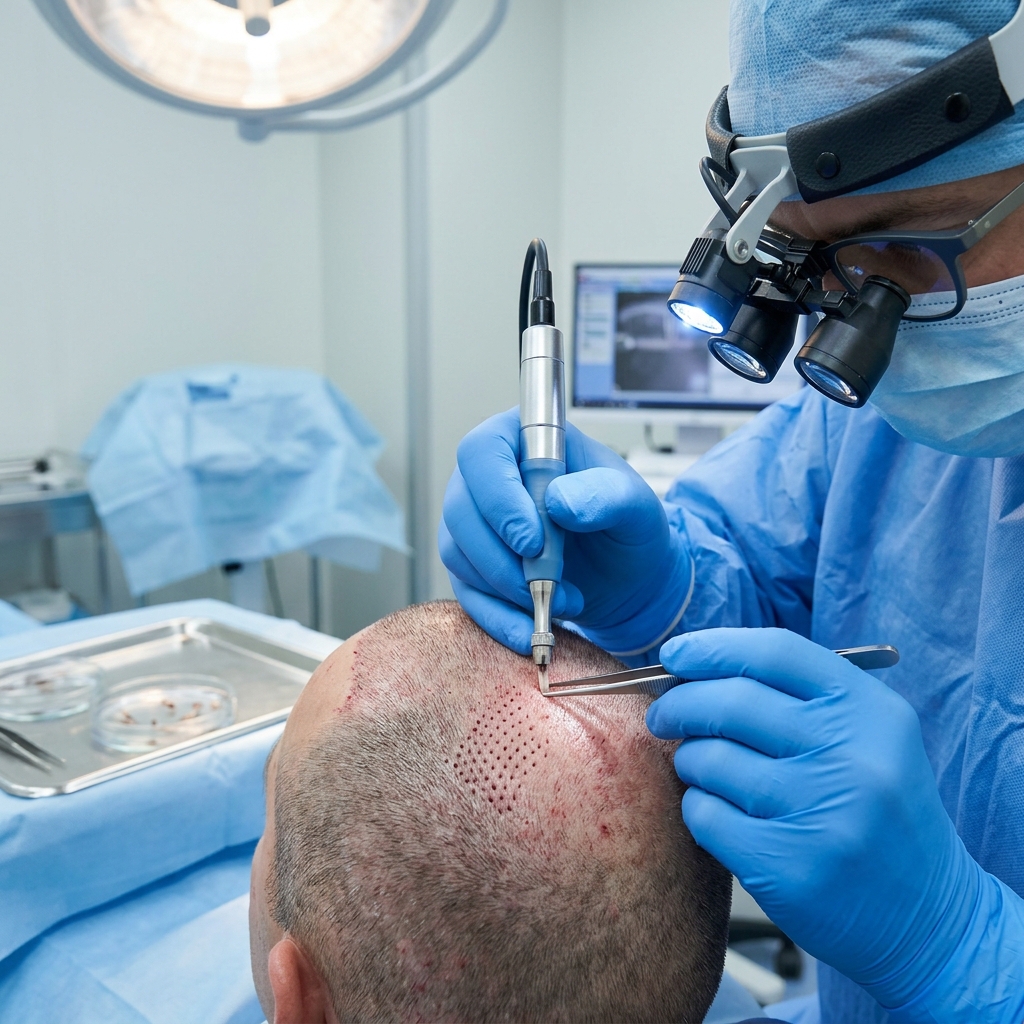
FUE is the foundation of modern hair restoration. Individual hair follicles (grafts) are extracted one-by-one from the donor area using a specialized micro-motor device, and then placed into tiny incisions opened in the recipient area. FUE leaves no linear scars, reduces recovery time, and offers natural results.
2. DHI (Direct Hair Implantation) with Choi Pens
DHI is a advanced variation of the FUE technique. Extracted follicles are loaded directly into specialized Choi Implanter Pens and implanted immediately without the need for pre-opening channels. This minimizes graft out-of-body time, ensures higher graft survival rate, and gives complete control over growth angle.

3. Sapphire FUE
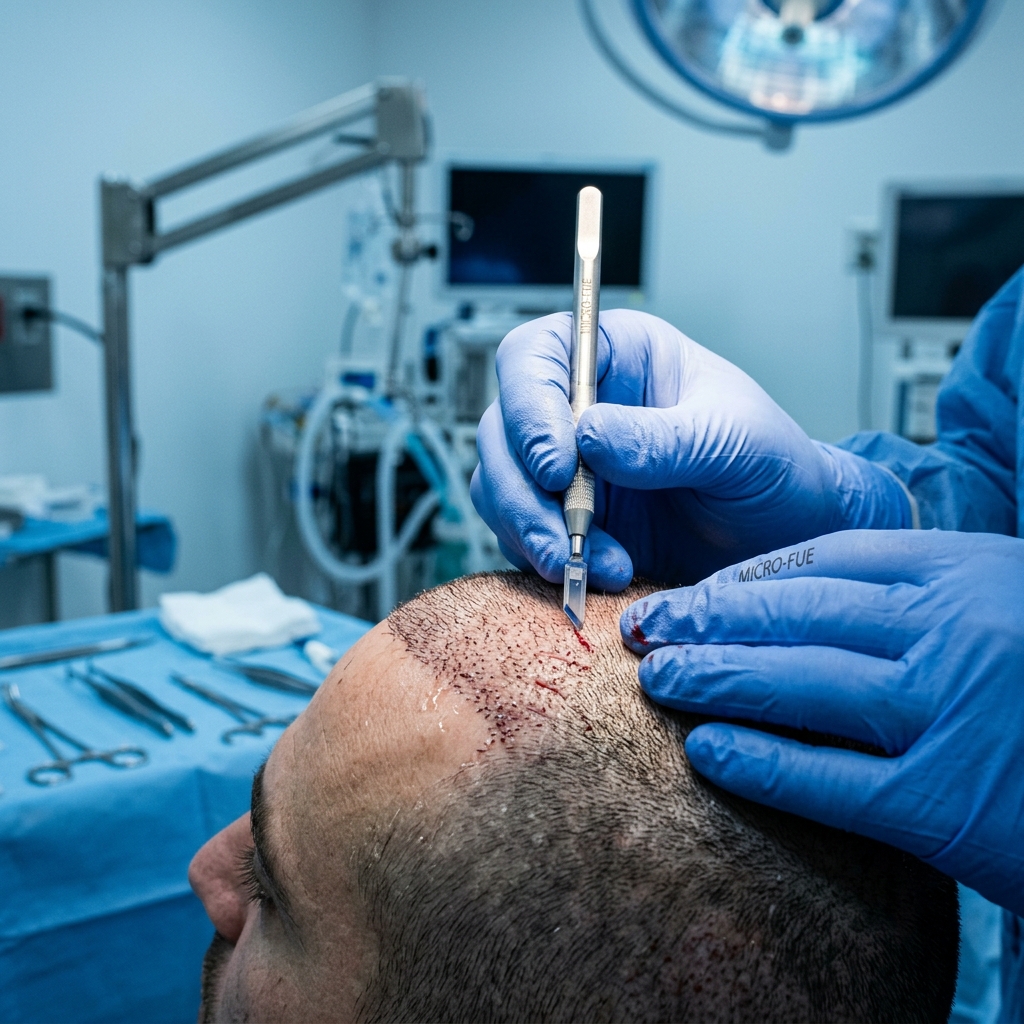
Instead of standard steel blades, Sapphire FUE utilizes ultra-sharp blades made of natural sapphire gemstones to open microscopic channels. This minimizes tissue trauma, accelerates healing, and allows for maximum density placement.
4. BHT (Body Hair Transplant)
Used when the scalp donor area lacks sufficient density. Follicles are harvested from body areas like the chest or back and transplanted to the scalp, requiring exceptional surgeon skill to match hair texture.
5. FUT (Follicular Unit Transplantation)
The traditional strip method where a strip of scalp skin is surgically removed from the donor area and dissected under microscopes into single grafts. It is less common today due to the visible linear scar it leaves behind.
Hair Transplant Recovery & Results Timeline
Patience and strict adherence to post-op care guidelines are essential for achieving optimal results:
- Month 1 (Shock Loss): Transplanted hair shafts temporarily shed. This is a completely normal biological response while the roots adapt under the skin.
- Months 3 - 6: New hair growth starts, progressively becoming thicker and longer.
- Months 12 - 18: Final results are fully visible, showing maximum density and natural, lifelong hair growth.

Modern hair restorations achieve over 98% success rates, offering a safe, permanent, and natural-looking solution for pattern baldness.