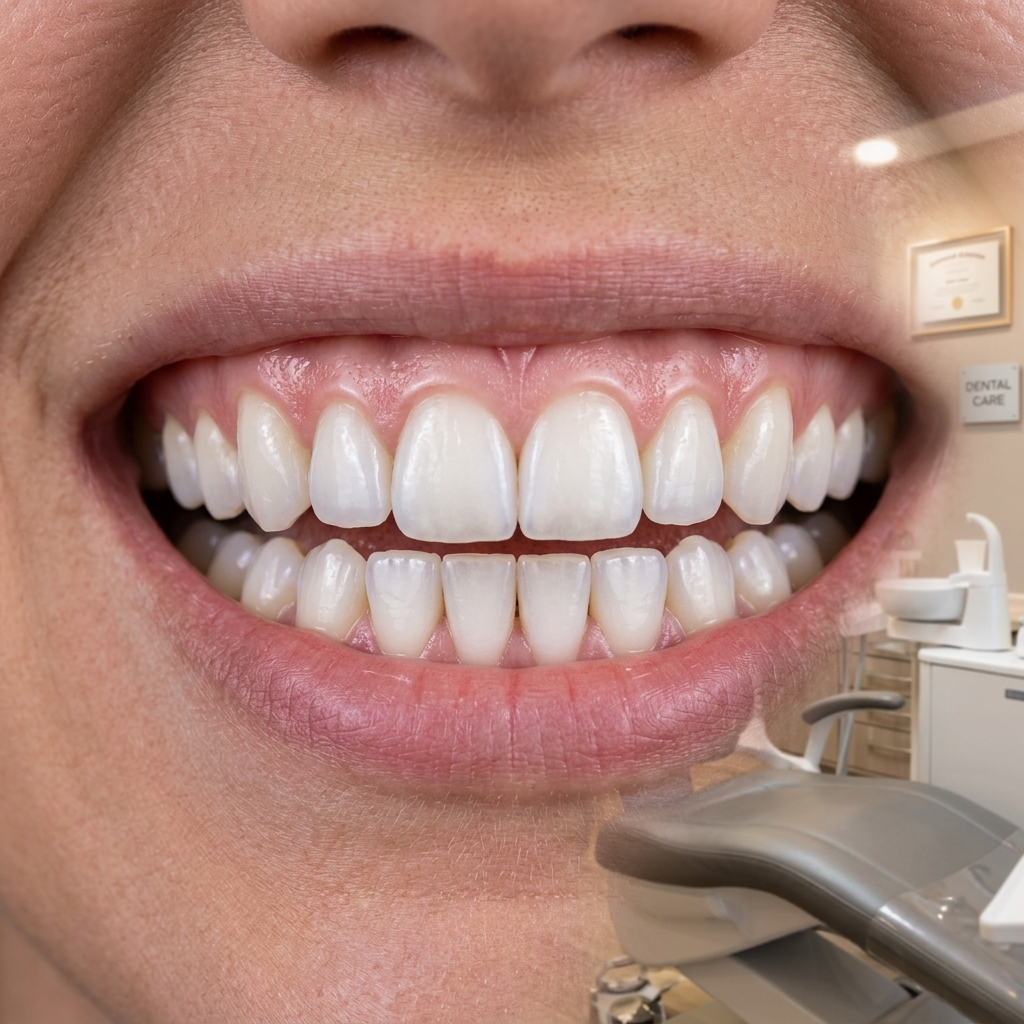


What Are Zirconia Dental Implants?
Tooth loss is more than just a cosmetic concern; it directly impacts your self-confidence, speech, and masticatory function. With modern advancements in dentistry, dental implants have become the gold standard for permanent and natural-looking tooth replacement. In recent years, **zirconia dental implants** have emerged as a highly promising, metal-free alternative to traditional titanium implants, blending ultimate structural strength with a premium, biological aesthetic.

Medical Definition & Chemical Composition of Zirconia
Zirconia dental implants are dental posts made entirely from zirconium dioxide (ZrO2)—a high-performance ceramic material known for its supreme biocompatibility and high fracture toughness. The medical-grade zirconia undergoes advanced crystallization processes to establish a rigid crystalline structure that resists wear and corrosion. The most notable attribute of zirconia is that it is 100% metal-free, making it the perfect choice for patients seeking holistic, biological dentistry or those diagnosed with metal hypersensitivity.
Zirconia Implants vs. Zirconia Crowns
Many patients confuse zirconia implants with zirconia crowns. They represent two completely different steps of the tooth replacement process:
- Zirconia Dental Implants: The artificial root post placed surgically inside the jawbone. It anchors the restoration directly into the bone.
- Zirconia Crowns & Bridges: The aesthetic prosthetic tooth (the crown) fixed on top of the implant or natural teeth, visible when you smile.
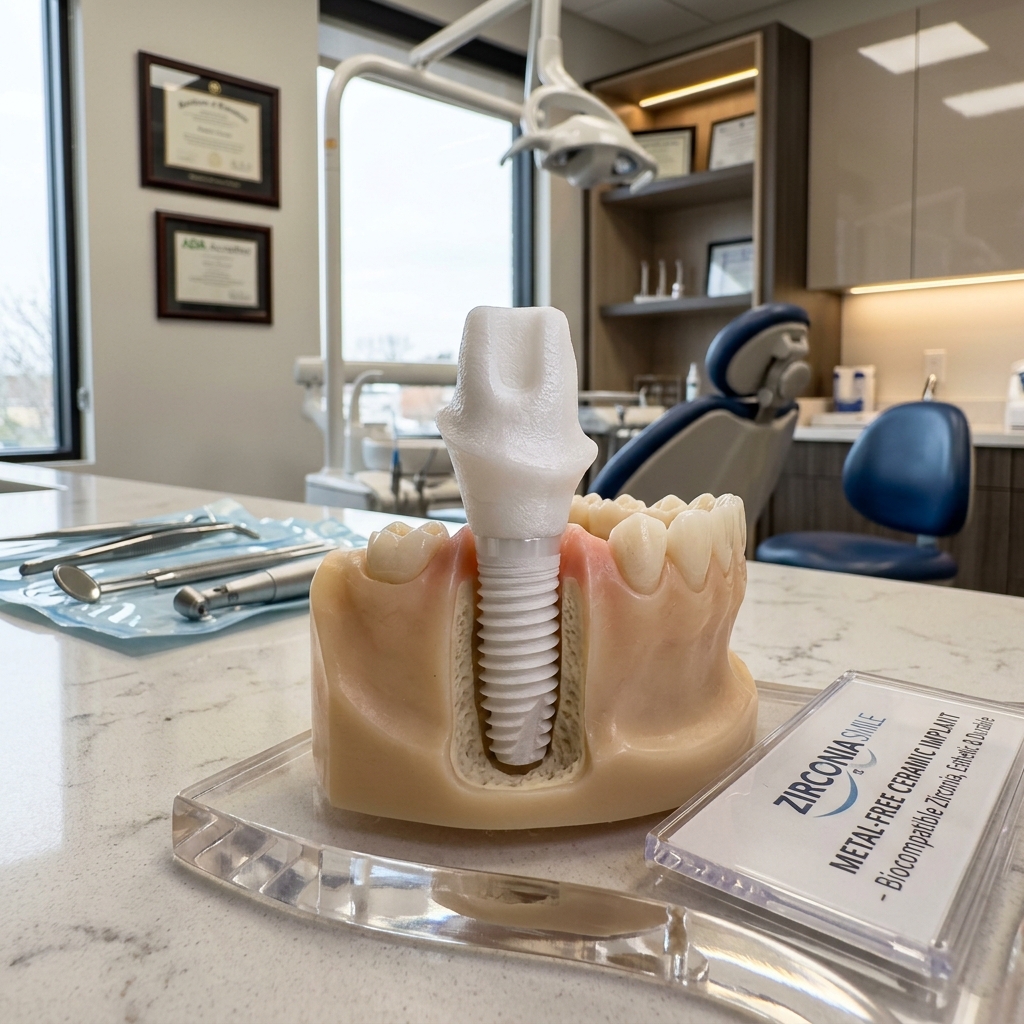
Advantages of Zirconia Dental Implants: Why Choose Them?
Zirconia dental implants offer unique advantages that make them a highly requested cosmetic and health restoration option:
- Superior Natural Aesthetics: Because of their natural white ceramic color, they do not cast a dark shadow at the gum line. Even in cases of thin gingival biotypes or future gum recession, the implant remains completely invisible.
- Ultimate Biocompatibility: Being chemically inert, zirconia does not release metal ions into the surrounding tissue and is immune to corrosion, minimizing localized tissue inflammation.
- Bacterial & Plaque Resistance: The non-porous, smooth ceramic surface prevents plaque and bacteria from adhering, significantly lowering the risk of peri-implantitis (inflammation and bone loss around the implant).
- No Galvanic Currents: Zirconia is non-conductive, meaning it does not generate micro-electrical currents or a metallic taste in the mouth when mixed with other dental materials.
- Strong Osseointegration: Clinical studies demonstrate that modern zirconia implants achieve excellent bone integration rates, ranging from 92% to 95%.
Disadvantages & Drawbacks of Zirconia Dental Implants
Before making a final clinical decision, it is important to understand the limitations of zirconia:
- Higher Cost: Due to the complexity of medical-grade ceramic manufacturing, zirconia implants cost 30% to 50% more than standard titanium implants.
- Fewer Long-Term Studies: While titanium has over 50 years of clinical tracking, zirconia has been widely used for only about 15 years. Long-term performance data past 20 years is still developing.
- One-Piece Designs: Many zirconia implants are fabricated as a single piece (the root and abutment are fused). This gives less flexibility to adjust the angle of the prosthetic tooth after placement.
- Lateral Force Vulnerability: While zirconia resists vertical chewing forces exceptionally well, it is more rigid and slightly more susceptible to fracturing under heavy lateral forces, making it less ideal for patients with severe teeth grinding (bruxism).
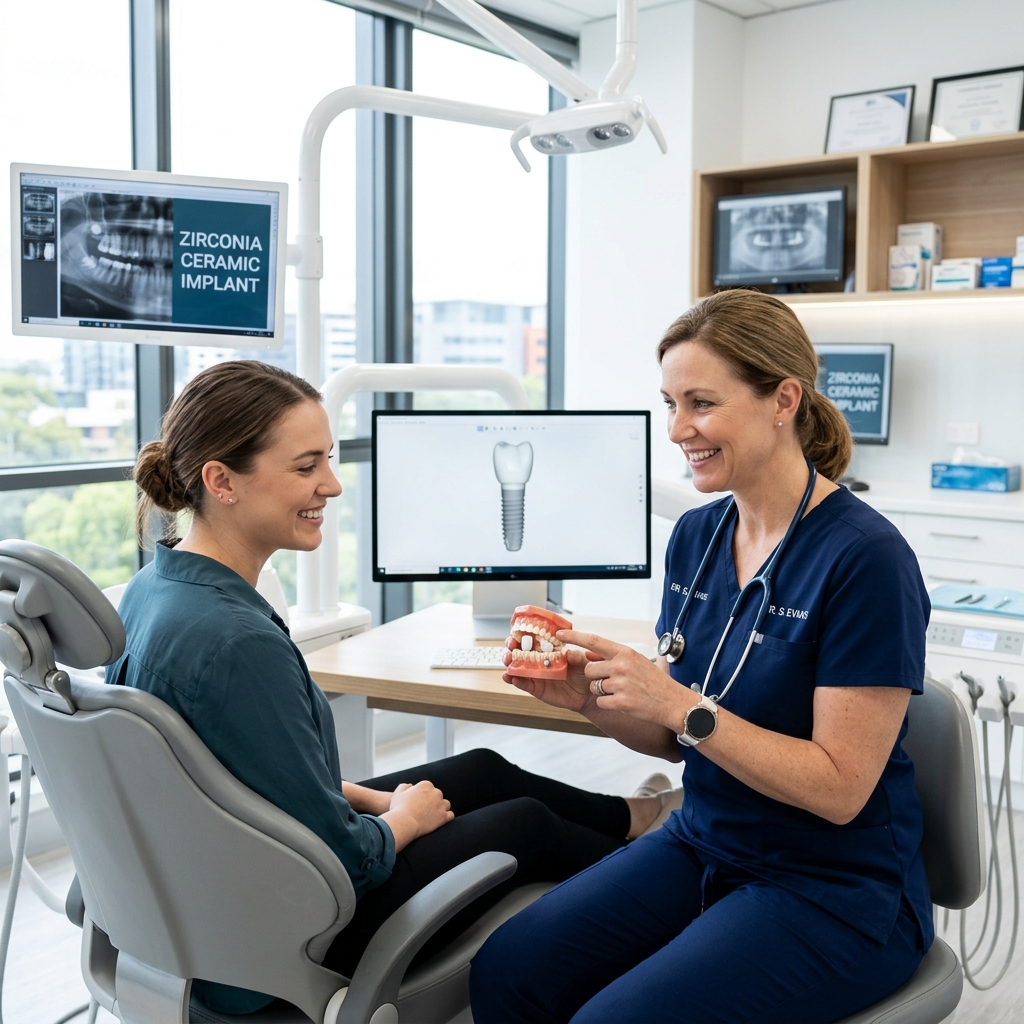
Zirconia vs. Titanium Implants: A Clinical Comparison
| Feature | Titanium Dental Implants | Zirconia Ceramic Implants | Clinical Winner |
|---|---|---|---|
| Material | Pure titanium or titanium alloy | 100% Zirconium Dioxide (Ceramic) | Zirconia (For holistic health) |
| Aesthetics | Metallic gray; may shadow thin gums | Natural white; matches tooth roots | Zirconia (In visible zone) |
| Clinical Track Record | 50+ years of documented safety | ~15 years of clinical tracking | Titanium |
| Flexibility | Two-piece (High angle adjustments) | Typically one-piece (Lower adjustability) | Titanium |
| Cost | More affordable and widely available | Premium cost (30-50% higher) | Titanium |
| Allergy Risks | Extremely rare, but possible (Metal) | Completely hypoallergenic | Zirconia |
Who is the Ideal Candidate for Zirconia Implants?
Zirconia is highly recommended for:
- Patients with confirmed metal allergies or autoimmune sensitivities.
- Replacing anterior teeth (the highly visible smile zone).
- Patients with thin gum tissue where metallic shadows must be avoided.
- Individuals dedicated to a holistic, metal-free biological lifestyle.
However, titanium remains the safer option for patients with severe bruxism (night grinding) or when complex surgical angles are required for multi-unit bridges.
Why Travel to Turkey for Zirconia Dental Implants?
Istanbul has emerged as a premier destination for digital dentistry and ceramic implants because of:
- Board-certified oral surgeons trained in biological dentistry and ceramic implant placement.
- State-of-the-art clinics equipped with 3D CBCT imaging and custom surgical guide printing for micro-precise placement.
- Substantial cost savings of up to 60% compared to the US and Western Europe, bundled with premium VIP transport and luxury hotel accommodation.