

Introduction: Why Choosing the Best Hospital for Gastric Sleeve in Turkey is Crucial
Bariatric surgery, specifically laparoscopic gastric sleeve (sleeve gastrectomy), has become the most successful solution for combating morbid obesity and regaining a healthy lifestyle. Given Turkey's outstanding medical reputation, thousands of patients travel there annually for this procedure. However, with hundreds of commercial packages available, how do you identify the best hospital for gastric sleeve in Turkey without falling for marketing traps?
A gastric sleeve is not just a quick procedure; it represents the start of a lifetime commitment to health. Therefore, your choice of hospital must be guided by strict clinical indicators that prioritize your safety and long-term success. In this comprehensive guide, we detail 10 medical criteria to help you select a safe and reliable healthcare facility.

1. International (JCI) and National Accreditations
The first step in verifying a hospital's safety standard is checking its official accreditations. Look for hospitals accredited by the Joint Commission International (JCI), the gold standard for global healthcare quality. JCI-accredited facilities adhere to rigorous protocols regarding patient safety, sterilization, infection control, and emergency readiness.
Additionally, ensure the hospital is certified by the Turkish Ministry of Health for international health tourism. You should verify JCI accreditations directly on the official JCI website (jcrinc.com) rather than relying solely on logo badges displayed on website footers.
2. Full Specialization in Bariatric and Metabolic Surgery
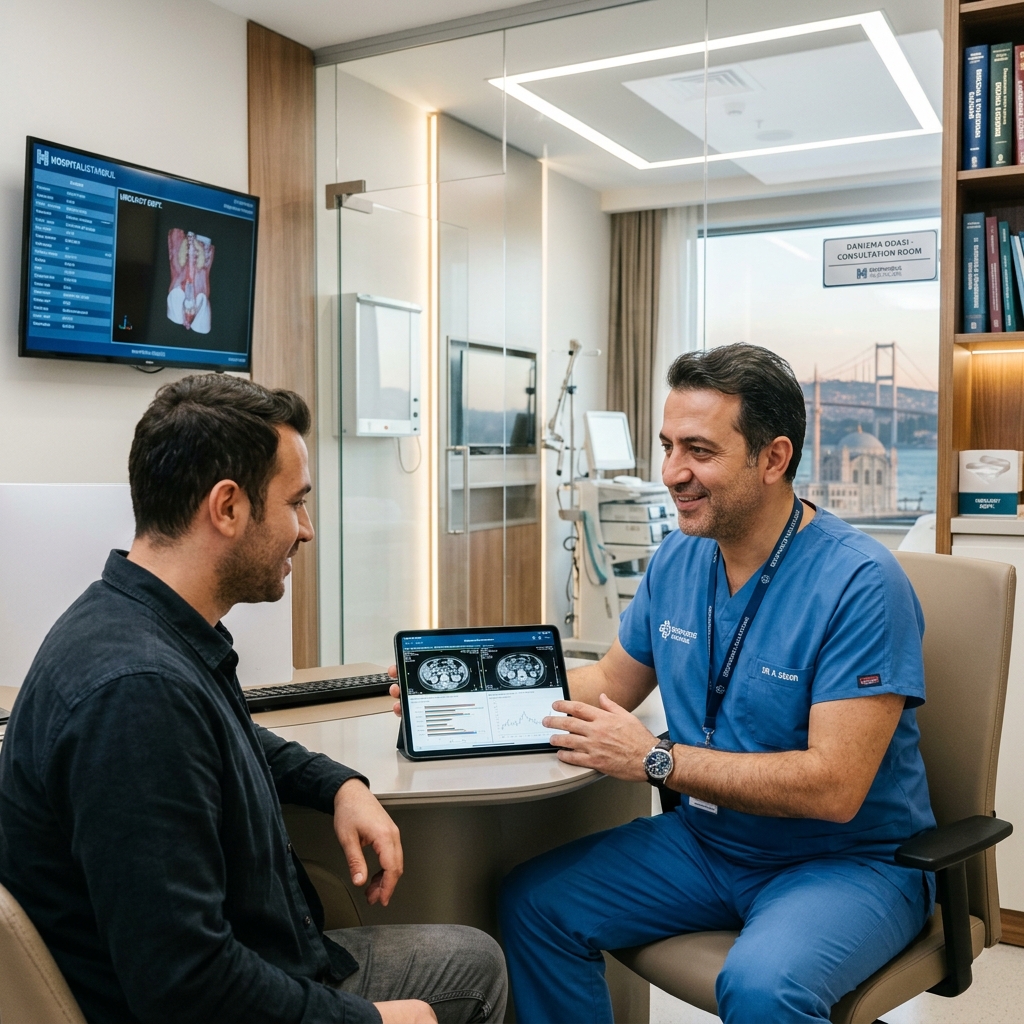
There is a significant difference between a general hospital performing occasional weight loss procedures and a dedicated center specializing in bariatric surgery. The best hospital for gastric sleeve in Turkey houses an integrated bariatric unit. This multidisciplinary team consists of bariatric surgeons, specialized anesthesiologists trained in managing obese patients, clinical dietitians, and behavior therapists.
Having a dedicated team ensures optimized pre-op care, surgical execution, and custom post-op protocols, which drastically minimizes complication rates.
3. Surgeon's Experience and Professional Affiliations
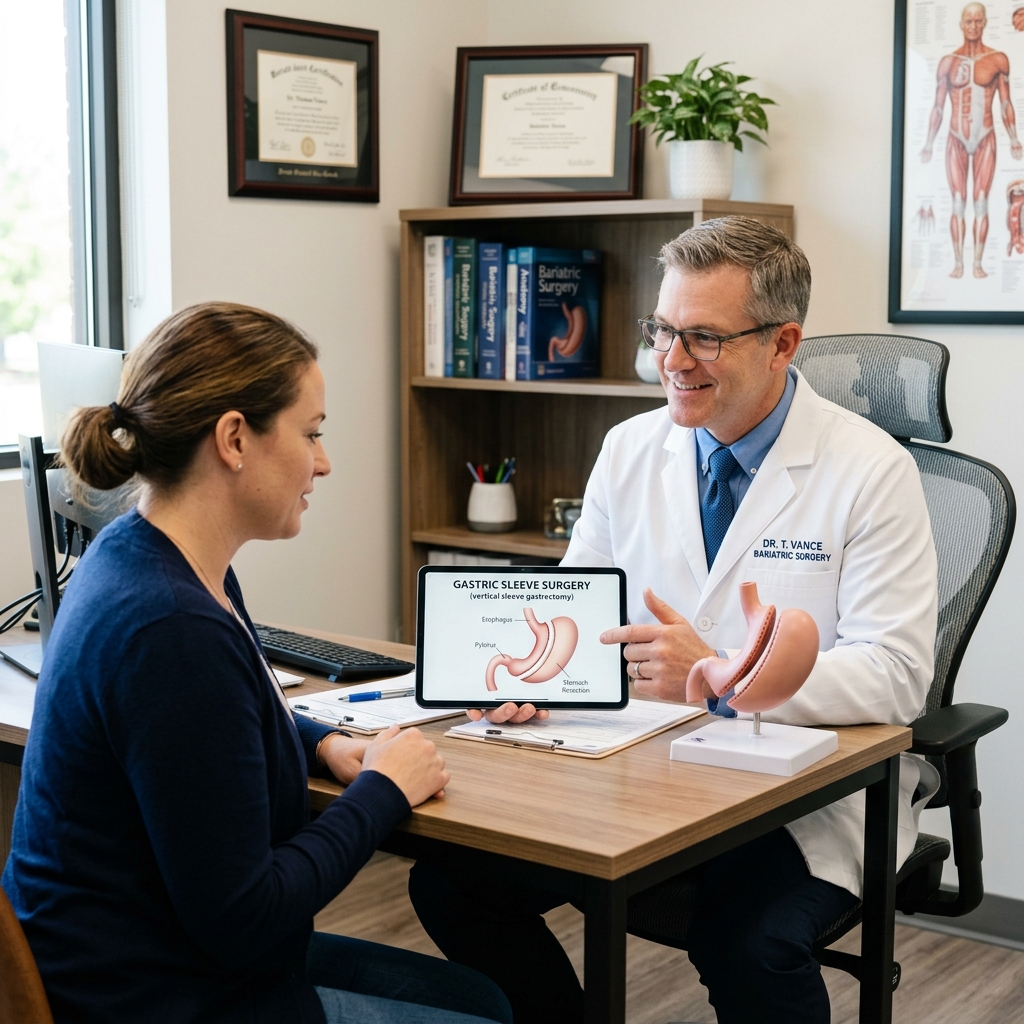
The surgeon's skill is the ultimate determinant of a safe surgery. When reviewing candidates, verify their credentials: how many laparoscopic sleeve gastrectomies have they performed? A surgeon with over 1,500 successful procedures possesses the tactile memory and technical competence to handle anatomical variations safely.
Furthermore, ensure the surgeon is an active member of international bariatric societies such as the International Federation for the Surgery of Obesity and Metabolic Disorders (IFSO), which guarantees adherence to updated evidence-based practices.
4. Transparency in Reporting Complication Rates
No surgical procedure is entirely without risk. Respectable clinics are open about their historical complication rates. On average, major complications (like leaks or deep bleedings) occur in less than 1% to 2% of gastric sleeve patients globally. Ask the clinic: what is your surgeon's leak rate from the previous year?
A transparent answer backed by clinical data demonstrates ethical integrity and confirms that you are dealing with a trustworthy medical institution.
5. Rigorous Pre-Operative Testing and Screening
A top-tier hospital will never rush you into the operating room. Upon arrival, the first day must be dedicated to comprehensive diagnostic tests. These should include complete blood profiles, liver and kidney panels, chest X-rays, ECGs, pulmonary function assessments, and abdominal ultrasounds to evaluate fatty liver index.
Consultations with internal medicine specialists, cardiologists, and anesthesiologists are mandatory to clear you for general anesthesia and eliminate any contraindications.
6. Medical Equipment and Brand of Surgical Staplers
The quality of surgical tools used to cut and seal the stomach is vital for preventing leaks along the staple line. Premium hospitals in Istanbul utilize medical staplers manufactured by leading global brands like Johnson & Johnson (Ethicon) or Medtronic (Covidien).
These advanced smart stapling systems adjust pressure based on stomach tissue thickness, providing a uniform, secure seal that protects against post-op leakages.

7. In-House Intensive Care Unit (ICU) Facilities
While bariatric surgery is generally safe, unexpected complications can happen. Some small cosmetic clinics operate in rented suites that lack an in-house ICU. In emergencies, transferring a patient to another hospital loses valuable time.
Always verify that the hospital has a fully equipped, 24/7 active intensive care unit (ICU) located in the same building as the operating rooms.
8. 12-Month Comprehensive Post-Operative Aftercare Program
The surgical procedure is only 30% of your weight loss journey. The remaining 70% relies on nutritional adaptation and behavior changes. Ensure your hospital package includes at least 12 months of structured clinical follow-up, consisting of:
- Regular consultations with a bariatric dietitian to guide you through liquid, pureed, soft, and solid food transitions.
- Periodic review of blood panels to monitor vitamin and mineral levels and prevent deficiencies.
- Psychological support to help you adapt to your new lifestyle and combat emotional eating habits.
9. Dedicated Medical Translation and Cultural Support
Clear communication is a matter of patient safety. The translator assigned to you must be a certified medical interpreter, capable of accurately relaying medical histories, symptoms, and surgical instructions in both directions.
Additionally, make sure you receive all medical summaries, discharge instructions, and diet booklets written clearly in your native language before leaving Turkey.
10. All-Inclusive Transparent Pricing with No Hidden Fees
A reputable clinic provides a legally binding, detailed contract specifying exactly what is included in the package (diagnostic tests, surgeon fees, hospital stay, hotel, transfers, medications) and any potential out-of-pocket costs.
Choosing the best hospital for gastric sleeve in Turkey is an investment in your safety and long-term health. Prioritizing clinical excellence over low pricing is key to achieving a complication-free recovery and life-changing results.
Quick Comparison Table for Hospital Evaluation
To assist your selection, use this quick checklist when comparing bariatric clinics:
| Clinical Metric | Minimum Acceptable Standard | Premium Safety Standard |
|---|---|---|
| Accreditation | Ministry of Health License | JCI International Accreditation + Tourism License |
| Surgeon Experience | 500+ successful sleeve cases | 1,500+ successful cases + IFSO membership |
| Surgical Staplers | Locally certified brands | FDA-approved USA smart staplers (J&J/Medtronic) |
| Emergency Setup | Emergency transfer protocol to another site | Fully active in-house ICU facilities in same building |
| Aftercare Program | Ad-hoc telephone consultation upon request | Structured 12-month scheduled bariatric dietitian visits |