

Introduction: Demystifying Dental Medical Tourism
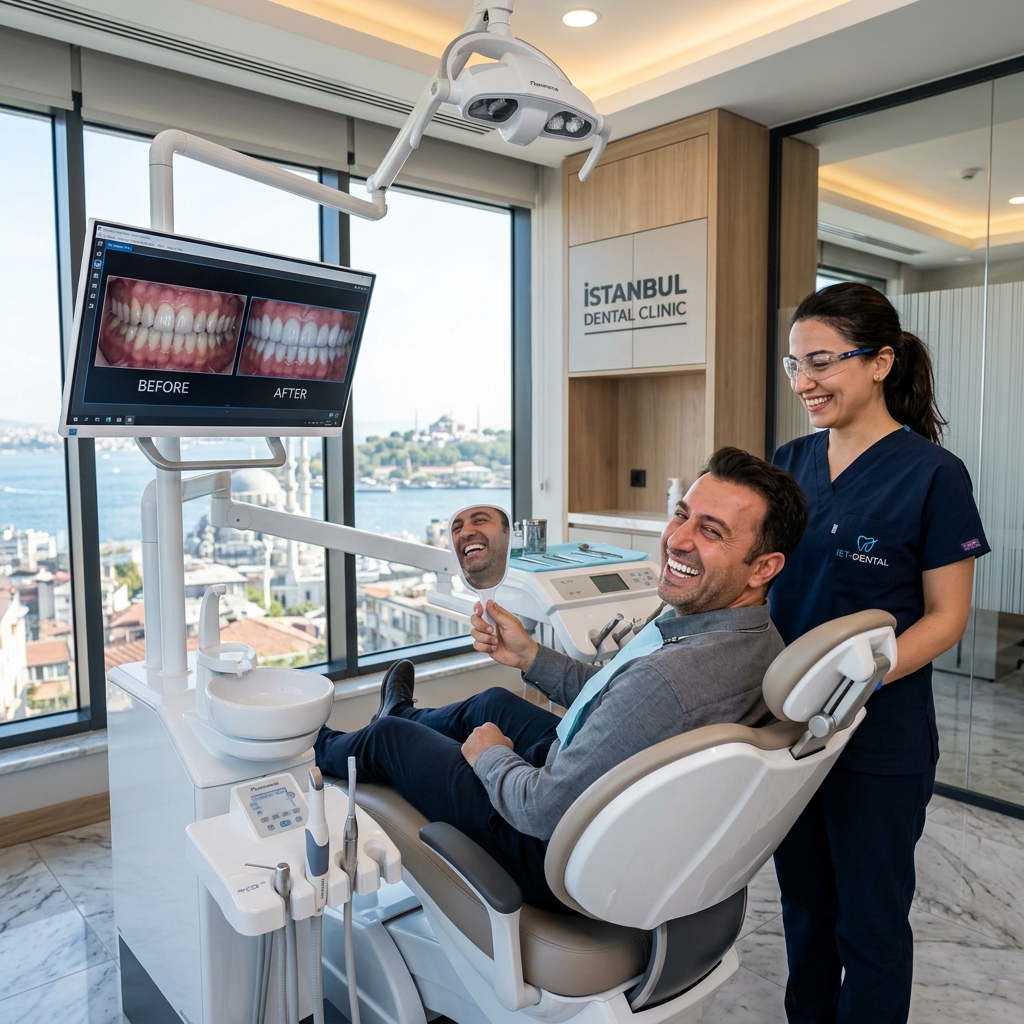
In recent years, dental medical tourism has experienced exponential growth worldwide. Millions of patients travel abroad annually to access premium dental care at a fraction of the cost in their home countries. International statistics show that over 14 million patients travel across borders each year for clinical care, with Turkey emerging as a premier destination for implantology and cosmetic dentistry.
However, despite its clinical popularity, several myths and misconceptions persist, often discouraging individuals from pursuing safe, cost-effective treatment. In this clinical guide, we debunk the top 8 common myths about dental tourism and reveal the regulatory and surgical realities that enable a safe and successful journey.
8 Common Dental Tourism Myths Debunked
Myth 1: Treatment and Materials Quality is Inferior Abroad
The Truth: Leading international clinics in Turkey adhere to stringent medical standards and operate under rigorous public health oversight. Accredited centers hold certifications like the Joint Commission International (JCI) and mandatory International Health Tourism (IHT) licenses issued by the Turkish Ministry of Health. Moreover, they utilize the exact same medical-grade brands used in Western nations, such as Swiss Straumann implants and German E-max veneers.
Myth 2: Lower Prices Equal Lower Clinical Standards
The Truth: Lower prices are a direct consequence of macroeconomic factors, rather than reduced clinical quality:
| Economic Driver | Context in Turkey vs. Western Nations |
|---|---|
| Operational Overhead | Rent, licensing, and clinical operational costs are 60% to 70% lower. |
| Currency Exchange Rates | Strong foreign currencies provide patients with substantial purchasing power. |
| Government Support | Tax incentives and clinical subsidies lower the cost barrier for international patients. |
Myth 3: Undergoing Dental Work Abroad Poses Severe Safety Risks
The Truth: Accredited Turkish facilities enforce infection control protocols recommended by the World Health Organization (WHO) and the Centers for Disease Control (CDC). Clinics are subject to unannounced government inspections, and surgeons must carry malpractice insurance to protect patient rights.
Myth 4: There is No Aftercare Support or Warranty Once I Return Home
The Truth: Reputable clinics offer structured aftercare programs and written warranties (ranging from 5 years to lifetime warranties for implants). Many leading clinics coordinate with local clinics in your home country for routine checkups, alongside providing 24/7 digital post-op medical support.
Myth 5: The Language Barrier Leads to Miscommunication
The Truth: International dental centers employ multilingual patient coordinators and medical translators who accompany patients throughout their clinical visits. All treatment plans, medical prescriptions, and recovery booklets are translated into the patient's native language to prevent misunderstandings.
Myth 6: Clinics Abroad Rush Procedures, Compromising Safety
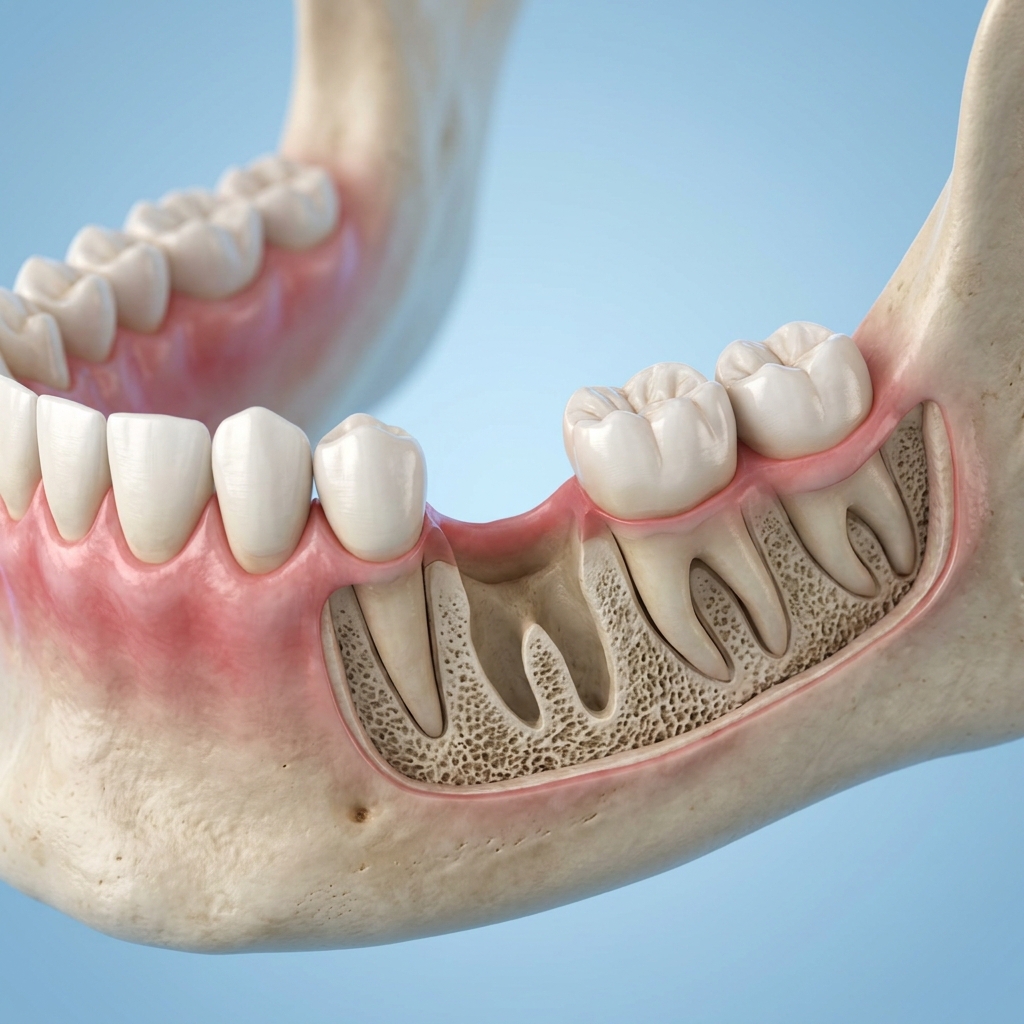
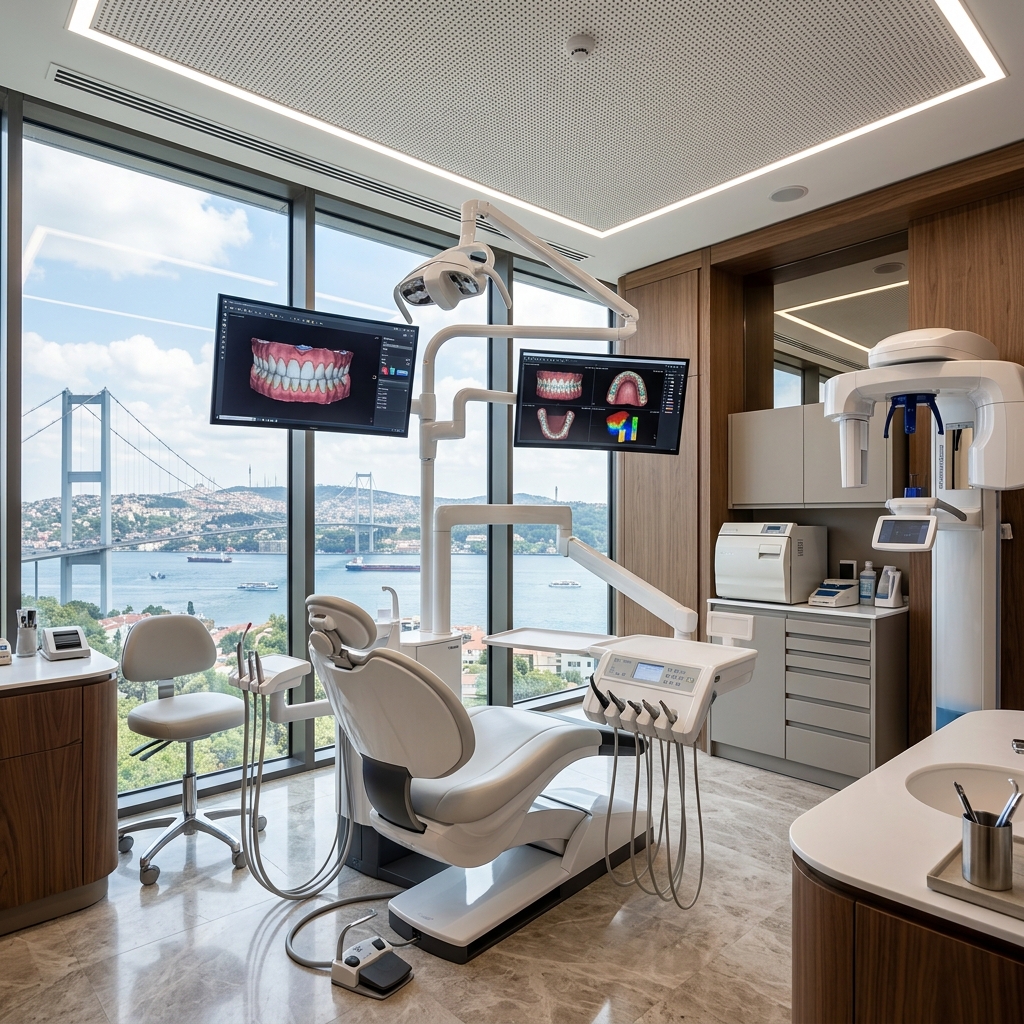
The Truth: Essential biological healing phases—such as the 3-month osseointegration period for implants—cannot be bypassed. The efficiency comes from advanced digital planning (such as CBCT mapping) and in-house CAD/CAM laboratories that design and manufacture crowns in a single day, eliminating waiting periods.
Myth 7: Dental Materials are Counterfeit or Untraceable
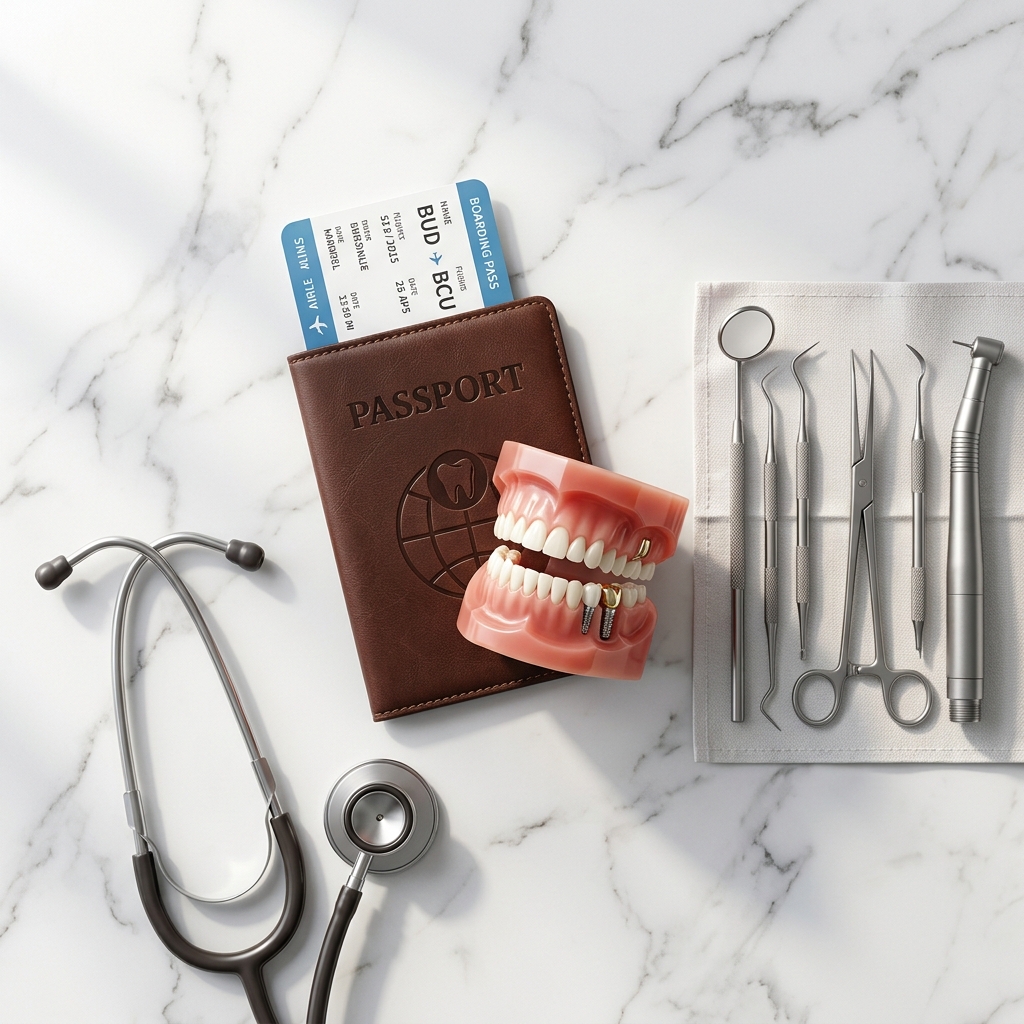
The Truth: Following treatment at an accredited clinic, patients receive an **Implant Passport** containing the exact serial numbers and barcodes of the titanium posts used. This enables you to verify the origin and authenticity of the components on the manufacturer's website at any time.
Myth 8: Dental Insurance Will Not Cover Procedures Executed Abroad
The Truth: Many major international insurance providers (such as Bupa or Cigna) cover clinical treatments abroad if the clinic provides detailed medical bills itemized with standard CPT or ICD codes. Always check with your insurance representative prior to booking to clarify reimbursement options.
Conclusion: Ensuring a Safe and Successful Medical Journey
The key to a safe and successful dental tourism experience is diligent research. Avoid clinics that rely on exaggerated commercial marketing. Instead, check for professional clinical credentials, confirm the presence of valid health tourism licenses, and read reviews on independent, verified platforms such as Trustpilot. By making an informed choice, you can obtain world-class dental care and a lifetime of healthy smiles.