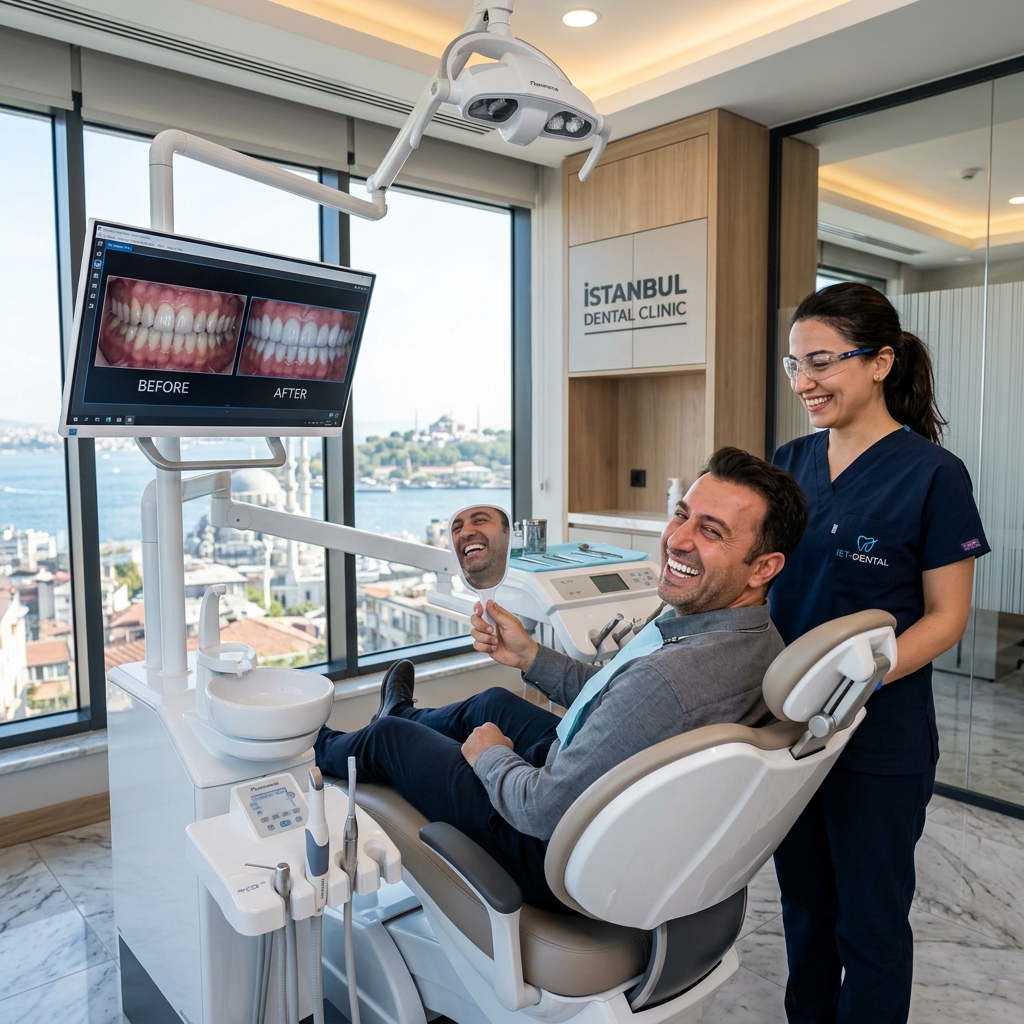


Introduction: Dental Implant Success Relies on Your Home Care Routine
You have successfully completed your dental implant treatment in Turkey, and your new smile looks natural and highly aesthetic. However, once you leave the clinical chair, the most important phase begins to secure this medical investment for the long term, bringing up the essential question: How do I care for my teeth after a dental implant?
A dental implant relies on a biological process called osseointegration, where the titanium post fuses with your jawbone. To ensure this healing process occurs successfully and to prevent implant failure, you must follow a structured post-operative home care routine. In this clinically approved guide, we outline the exact steps you need to take from the first hours up to long-term maintenance.
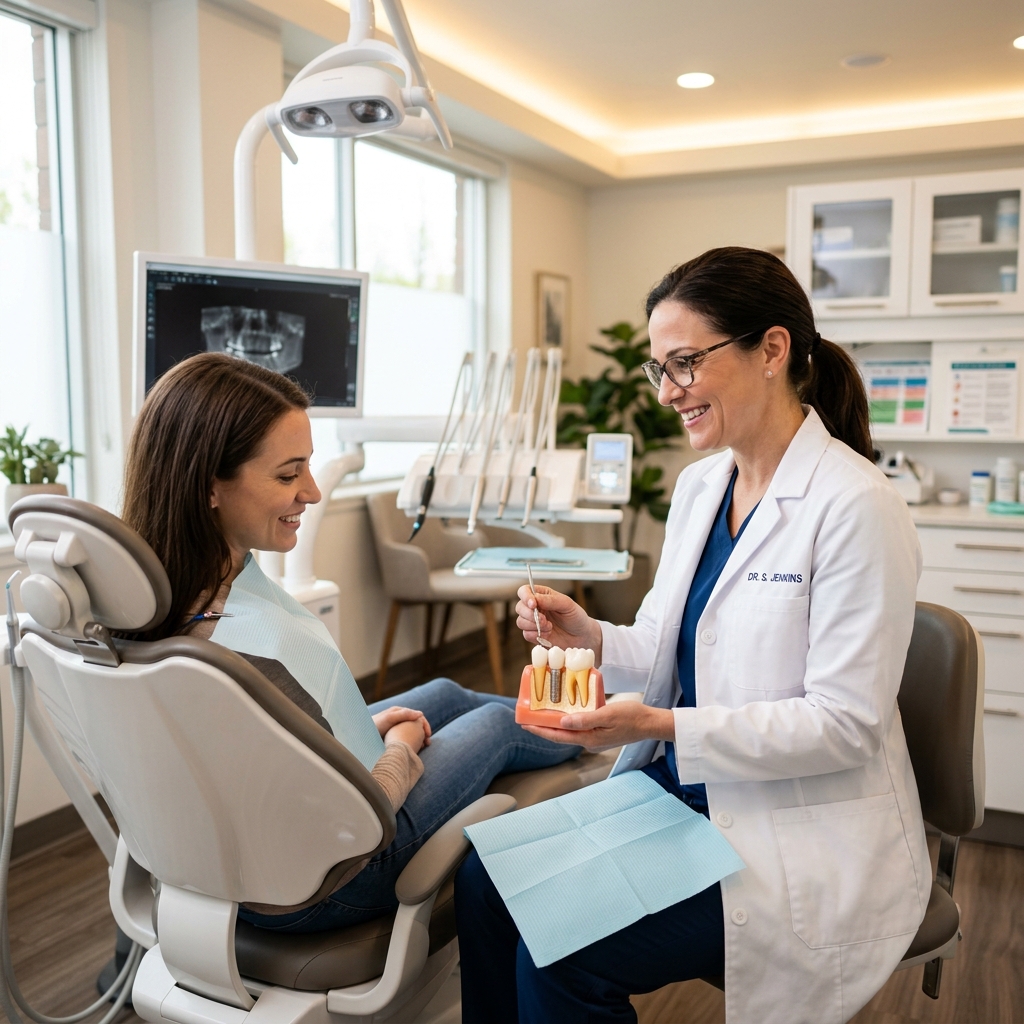
1. The First 24-Hour Post-Operative Protocol
The early hours after leaving the clinic are critical for blood clot formation and initial healing. Observe these rules strictly:
- Biting on the Sterile Gauze: Keep firm but gentle pressure on the gauze pad placed over the surgical site for at least one hour to halt bleeding and promote clotting. Avoid changing the gauze too frequently.
- Cold Compresses: Apply an ice pack wrapped in a cloth to the outside of your cheek next to the surgical area. Keep it on for 20 minutes, then off for 20 minutes, repeating this during the first 6 hours to reduce swelling.
- Elevate Your Head: When resting or sleeping, keep your head elevated with an extra pillow. This physical positioning lowers blood pressure in the head, minimizing throbbing and swelling.
- No Rinsing or Spitting: Avoid vigorous rinsing or spitting for the first 24 hours, as this can dislodge the blood clot and delay healing. Swallow saliva gently if needed.
- Avoid Drinking Through a Straw: The suction force creates negative pressure in the oral cavity, which can dislodge the stabilizing blood clot and cause bleeding.
2. Dietary Guidelines for the First Week
The texture and temperature of your food directly affect the wound site. Adapt your diet accordingly:
- Days 1-3 (Cold & Lukewarm Liquid Diet): Rely entirely on warm soups (not hot), fresh juices, yogurt, and soft puddings. Avoid hot beverages, spicy foods, or highly acidic dishes to prevent tissue irritation.
- Days 4-7 (Soft Food Transition): You can introduce well-cooked rice, soft pasta, mashed potatoes, and boiled fish. Always chew on the opposite side of the surgical site.
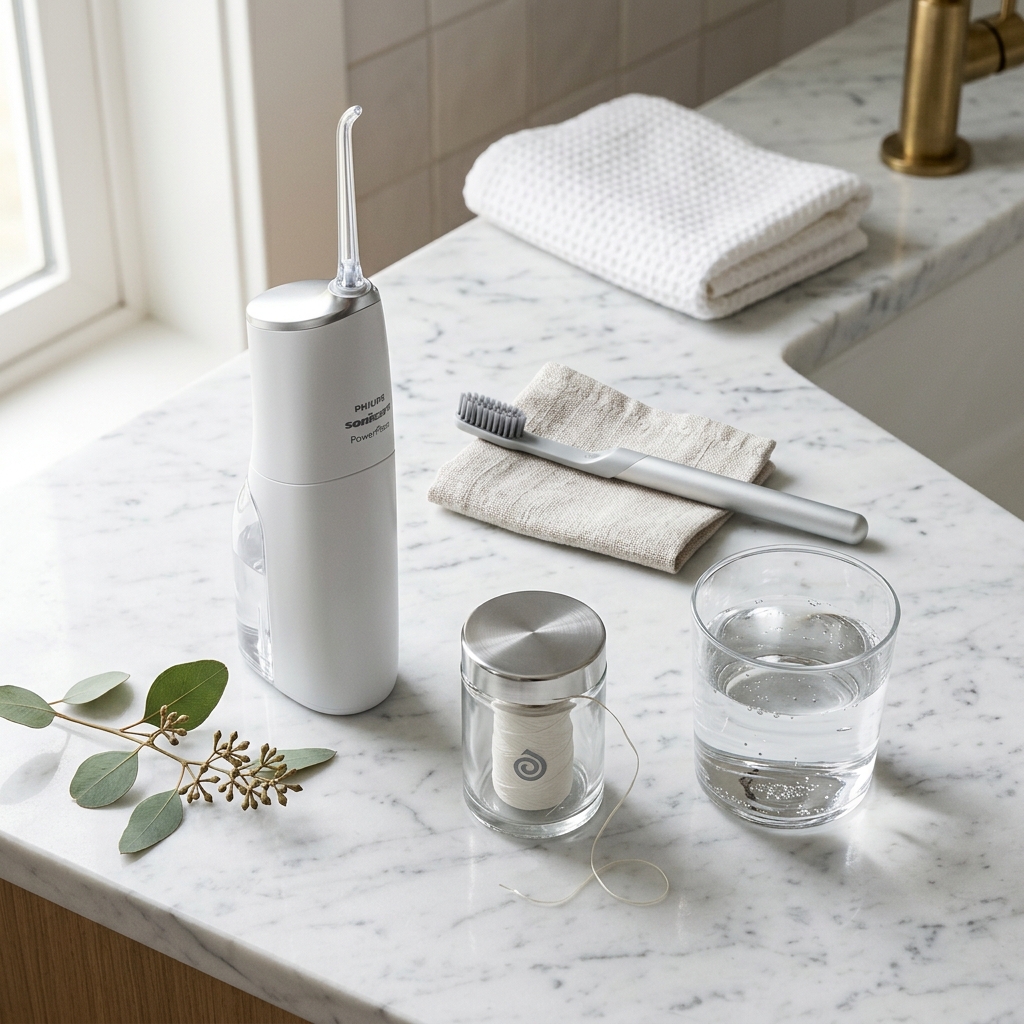
3. Brushing and Flossing Hygiene Routine for Implants
After the first 24 hours, you must establish a daily oral hygiene routine to prevent bacterial accumulation and peri-implantitis:
- Soft-Bristled Toothbrush: Clean your natural teeth as usual with a soft toothbrush. Around the surgical site, be extremely gentle, cleaning the surrounding gumlines without contacting the sutures directly.
- Warm Salt Water Rinses: Starting on day 2, gently rinse your mouth with a warm saline solution (half a teaspoon of salt in a glass of warm water) 4 to 5 times a day, especially after meals, to disinfect the area.
- Specialized Floss (Superfloss): Once the gums have healed (around 2 weeks), use specialized implant floss to clear interdental spaces and protect the implant crown margins.
- Water Flosser: This is the safest and most efficient tool for implant patients, clearing debris and plaque with a gentle stream of water without abrasive mechanical friction on the gums.
4. Smoking and Dental Implants: Clinical Data
Clinical studies show that the dental implant failure rate among smokers is double that of non-smokers. Nicotine constricts blood vessels in the gingiva and jawbone, restricting blood flow, oxygen, and nutrients crucial for osseointegration.
Clinical Advice: Stop smoking at least 2 weeks before the implant surgery and for at least 8 weeks post-operatively to guarantee bone-to-implant integration and prevent implant loss.
5. Follow-Up Schedule to Protect Your Implant for 20+ Years
Maintaining a dental implant for a lifetime requires adhering to a structured clinical checkup schedule:
| Timeline | Purpose of Checkup | Clinical Significance |
|---|---|---|
| Post-Op Days 7-10 | Suture removal and healing inspection | Verify that the gum tissue has sealed nicely without signs of infection |
| Months 3-4 | X-ray evaluation of osseointegration | Confirm that bone density has formed completely around the titanium screw |
| Every 6 Months (Ongoing) | Professional scaling, polish, and margins check | Remove deep plaque deposits and verify crown and bite stability |
Dentist's Tip: While dental implants cannot develop cavities, they are vulnerable to gum disease and bone loss if plaque is allowed to accumulate. Diligent hygiene is the ultimate key to a lifetime implant.