

What is Bone Grafting for Dental Implants and Why is it Needed?
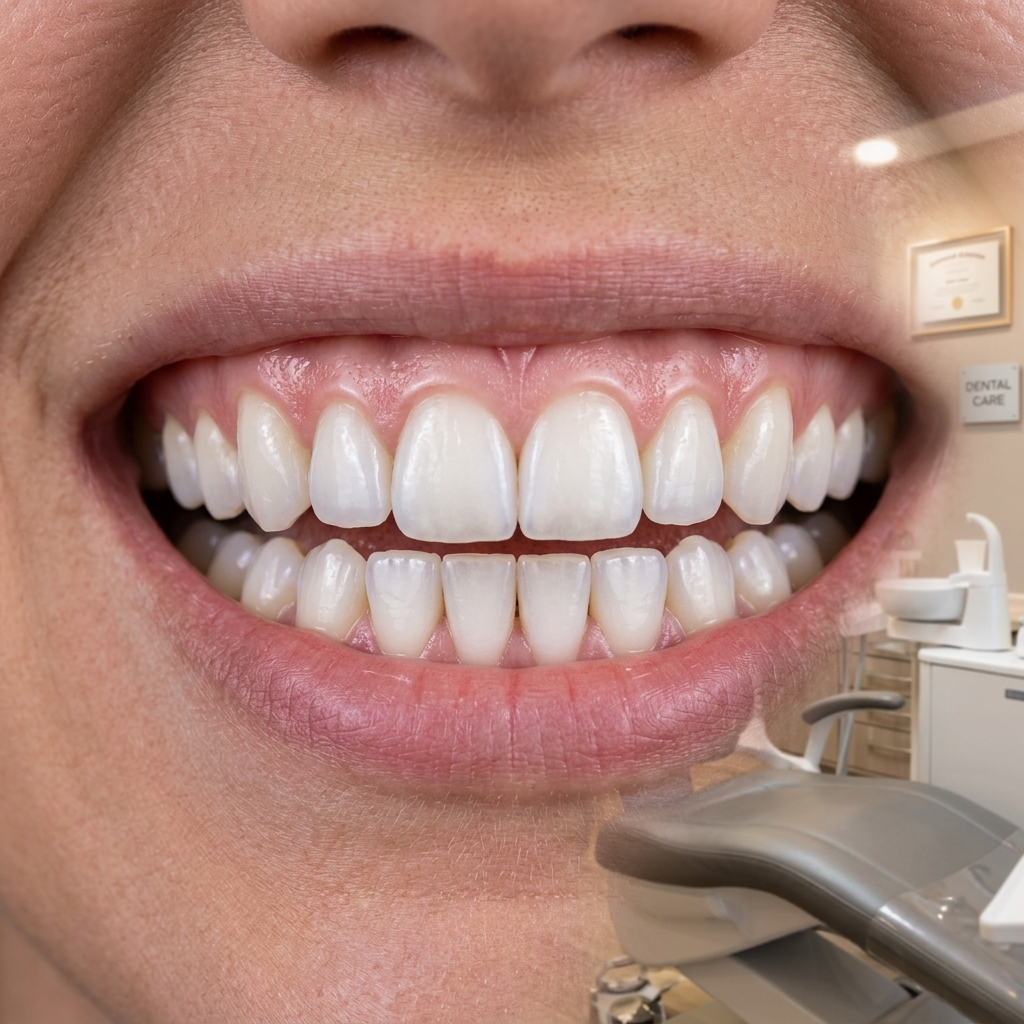
Dental implants are widely considered the gold standard for replacing missing teeth and restoring a natural, radiant smile. However, the long-term success of these implants depends entirely on a solid foundation: a healthy jawbone with sufficient height, width, and density to securely support the titanium post. When a tooth is lost or extracted, the surrounding jawbone starts to lose density and shrink over time due to the lack of natural stimulation from chewing. This natural phenomenon is known as bone resorption. In such cases, **bone grafting in dental implants** is a vital preparatory surgical procedure designed to rebuild, strengthen, and densify the jawbone, ensuring optimal osseointegration and a highly stable implant foundation.
Types of Bone Grafts Used in Dentistry
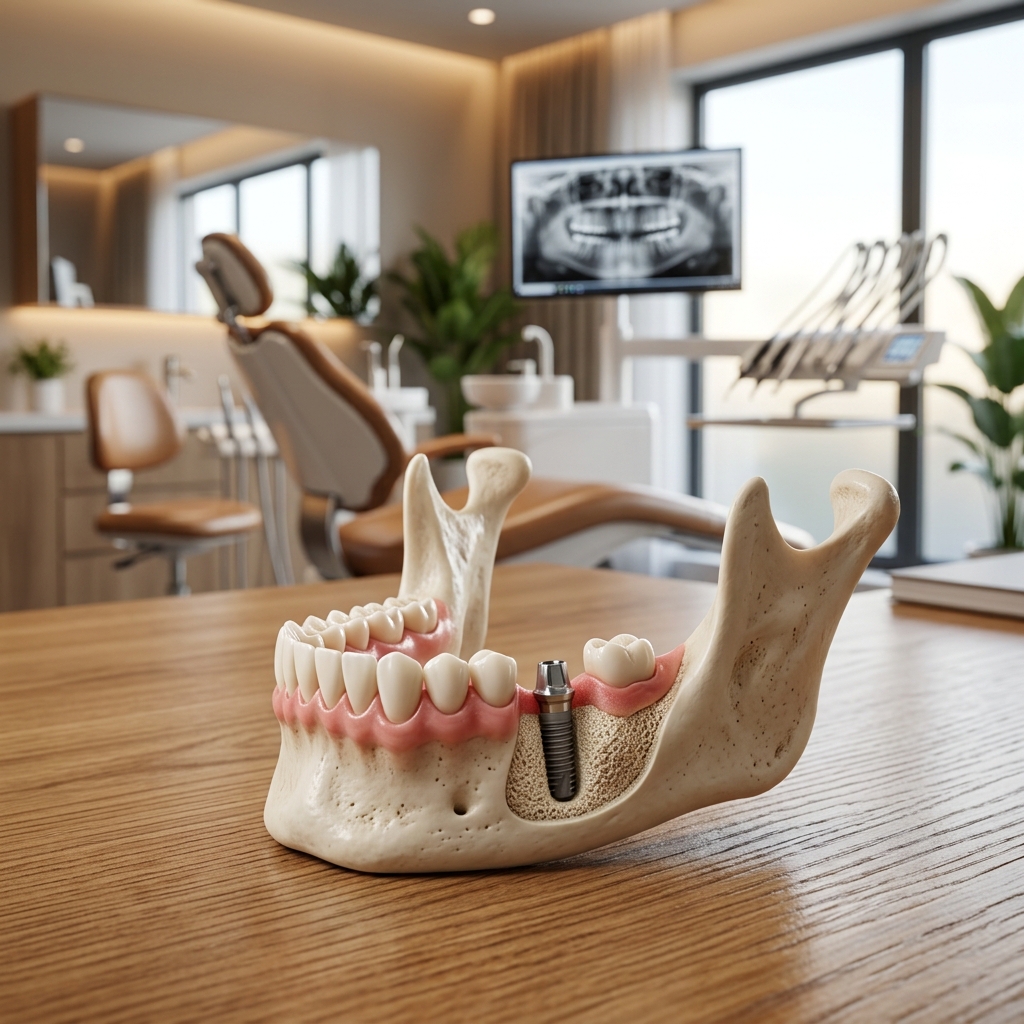
The choice of bone graft material depends on the extent of bone loss and the patient's specific clinical requirements. The four primary categories include:
- Autograft: Bone harvested directly from the patient's own body (typically from the chin, ramus, or hip). Since it uses the patient's own living tissue, it has the highest success rate and integrates faster than other types, with zero risk of transmission or rejection.
- Allograft: Donor bone sourced from human tissue banks. This material is meticulously processed, sterilized, and freeze-dried to ensure it is completely safe, biocompatible, and free from diseases before clinical use.
- Xenograft: Bone harvested from an animal source, usually bovine (cow). The organic material is chemically and thermally removed, leaving only the sterile calcium structure that acts as a scaffold for the patient's natural bone to grow into.
- Alloplastic Graft: Synthetic materials manufactured in laboratories that mimic natural human bone minerals (such as calcium phosphate or hydroxyapatite). They are highly safe and facilitate natural bone regeneration.
Common Indications for Jawbone Grafting
Bone grafting is not required for every dental implant patient. The procedure is typically indicated in the following circumstances:
- Delayed Implant Placement: When teeth have been missing for a long time, leading to significant bone atrophy.
- Severe Periodontal Disease: Gum infections that destroy the supportive bone structure around teeth.
- Trauma or Injury: Physical damage to the face that causes bone fractures or structural loss.
- Sinus Proximity in Upper Jaw: When the maxillary sinuses are too close to the upper jawbone, requiring a sinus lift.
Maxillary Sinus Lift: When and Why is it Necessary?
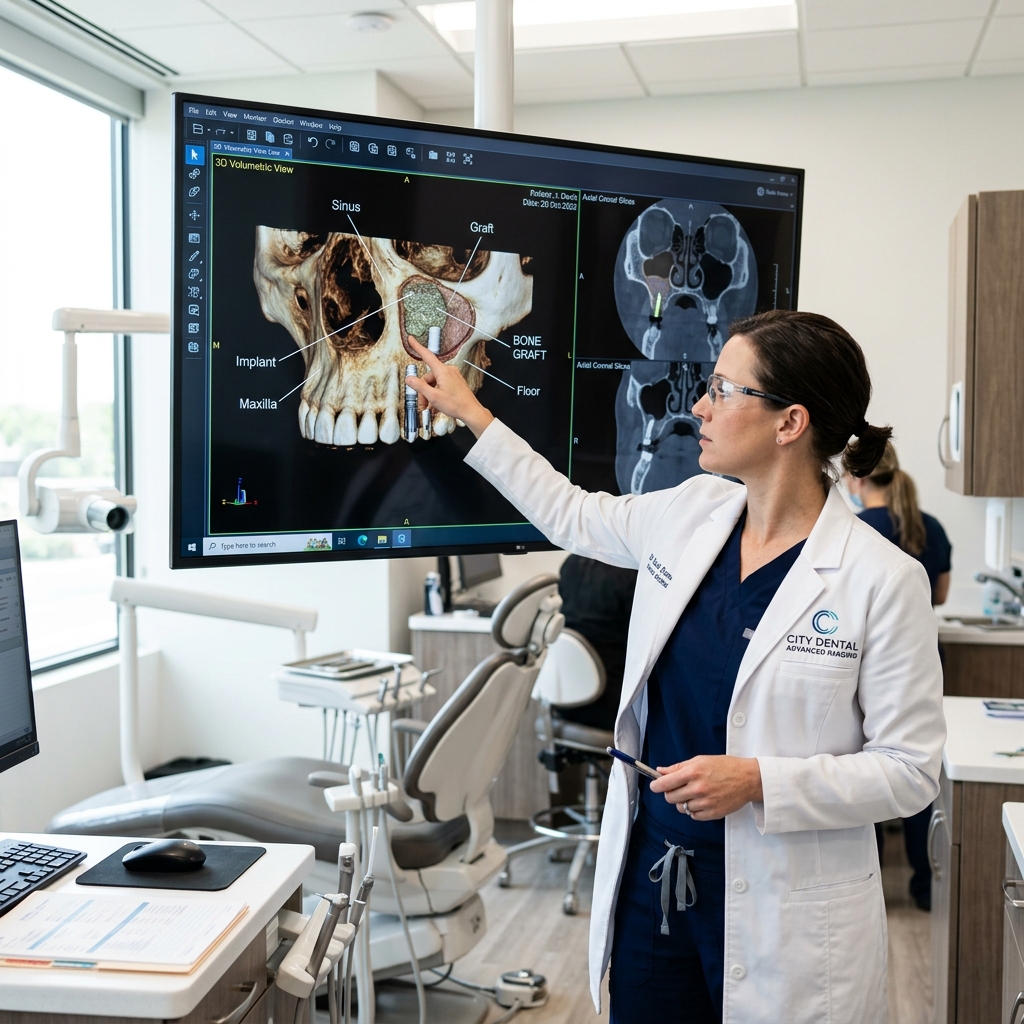
In the posterior upper jaw (molar and premolar area), the bone is naturally thinner and directly adjacent to the maxillary sinus cavity. When teeth in this area are lost, the sinus expands downward while the jawbone shrinks. Placing a dental implant in this thin bone is impossible without risking puncturing the delicate sinus membrane.
A **maxillary sinus lift** addresses this by gently elevating the sinus membrane and filling the empty space underneath with high-quality bone graft material. The graft is allowed to heal and fuse for a few months, creating a thick, solid bone platform that can support implants safely and securely.
Step-by-Step Bone Grafting Procedure
At our partner clinics in Turkey, bone grafting is performed by experienced oral and maxillofacial surgeons using advanced techniques:
- Step 1: Digital Assessment (3D CBCT Scan): We perform a high-resolution cone beam computed tomography scan to evaluate bone thickness in three dimensions and create a precise digital surgical plan.
- Step 2: Anesthesia & Comfort: The surgery is performed under local anesthesia to ensure a completely painless experience. Intravenous conscious sedation is available for patients with dental anxiety.
- Step 3: Graft Placement: The surgeon makes a small incision in the gum to expose the underlying bone. The graft material is placed into the defect and covered with a protective barrier membrane to keep fast-growing gum tissue out and let slow-growing bone regenerate.
- Step 4: Suturing: The gums are carefully closed with sutures that dissolve naturally or are removed in 7-10 days.
Recovery Phase and Healing Timeline
Following the surgery, patients may experience minor, manageable symptoms that subside within a few days:
- Mild to moderate swelling around the cheek and lip.
- Slight bleeding or pink-tinged saliva in the first 24 hours.
- Mild discomfort easily controlled with prescribed pain relievers.
Timeline for Integration: While the gum tissue heals within 1-2 weeks, the bone graft material takes **3 to 6 months** to fully integrate (osseointegrate) with your natural jawbone, forming a solid, vascularized bone structure ready for implant placement.
Post-Operative Guidelines for a Successful Bone Graft
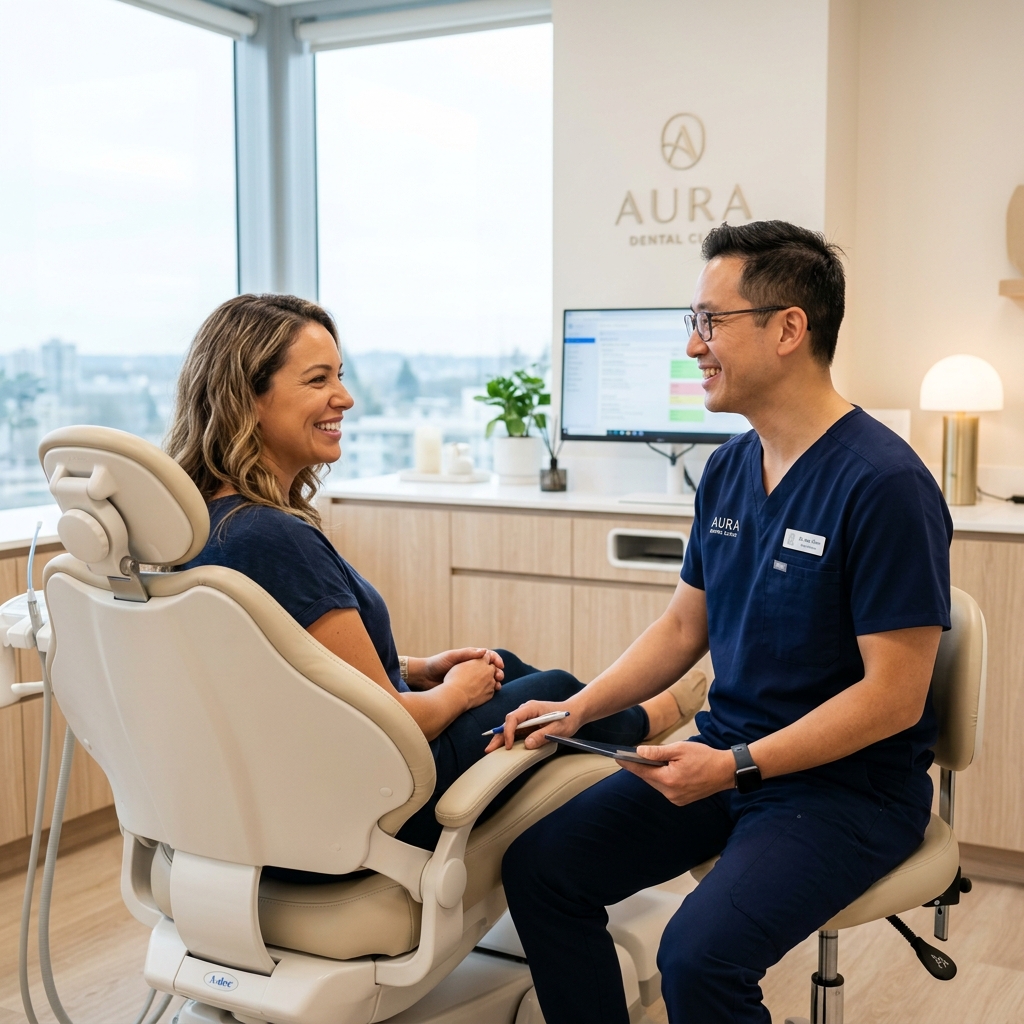
To ensure proper bone healing and avoid complications, follow these essential guidelines:
- Strictly Avoid Smoking: Smoking is the leading cause of bone graft and dental implant failure. Nicotine constricts blood vessels, drastically reducing the blood and oxygen flow required for bone regeneration, which increases the risk of graft rejection by over 70%.
- Maintain a Soft Diet: Eat cool, soft foods (like smoothies, soups, yogurt, scrambled eggs) during the first week. Avoid hot drinks, hard, crunchy, or spicy foods that might irritate the surgical site.
- Gentle Oral Hygiene: Brush your teeth carefully, avoiding the surgical area directly. Use the prescribed antiseptic mouthwash gently and avoid spitting forcefully, as this can dislodge the blood clot or protective membrane.
- Do Not Disturb the Site: Refrain from touching the wound with your tongue or fingers. If you underwent a sinus lift, avoid blowing your nose forcefully.
Expected Cost of Bone Grafting & Sinus Lifts in Turkey 2026
Turkey offers some of the most competitive prices for advanced oral surgery, utilizing premium international materials at a fraction of Western costs. The total expense depends on:
- The volume of bone graft material required.
- Whether a minor bone graft or a complex sinus lift is performed.
- The surgeon's expertise and clinic location.
In our partner clinics in Istanbul, a simple local bone graft ranges from $150 to $300 per site. A complex open sinus lift ranges from $400 to $700. Our VIP medical packages include all-inclusive services like digital CBCT scans, VIP transfers, and 5-star hotel accommodation for a comfortable and stress-free treatment journey.