


The Challenge of Early Tooth Loss in Teenagers
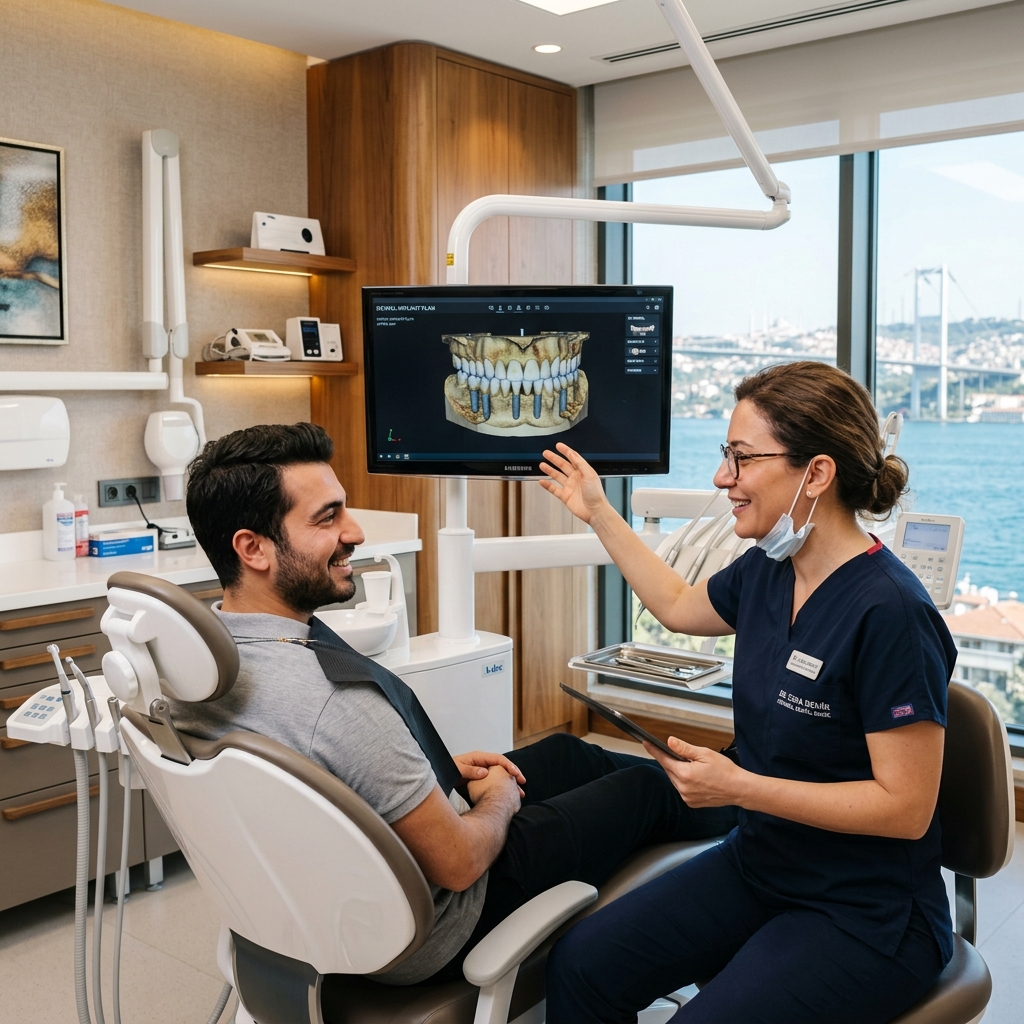
Early tooth loss in teenagers can severely affect their smile aesthetics, speech clarity, and chewing efficiency. It also carries a heavy psychological burden, impacting self-confidence during critical developmental years. Tooth loss in this age group is typically caused by dental trauma (sports injuries/accidents), severe untreated dental decay, or congenital absence of teeth (hypodontia). While **dental implants for teenagers** are an excellent restorative option, they require strict clinical parameters that set them apart from adult treatments.

When Can a Teenager Get Dental Implants? (Skeletal Maturity)
The most common question parents ask is: **What is the minimum age requirement for dental implants?**
From a clinical standpoint, the decision depends on **skeletal maturity and complete jawbone growth** rather than chronological age. The jawbone continues to grow and expand throughout childhood and adolescence, and growth ceases at different times for everyone. Generally:
- Females: Skeletal growth is completed earlier, typically between 16 to 17 years of age.
- Males: Jawbone growth continues longer, finishing between 18 to 21 years of age.
How Do We Verify Skeletal Maturity?
Before proceeding with dental implants for a teenager, specialists use precise diagnostic protocols to verify that bone growth has stopped:
- Hand-Wrist Radiograph: Displays skeletal growth plates to evaluate bone maturity.
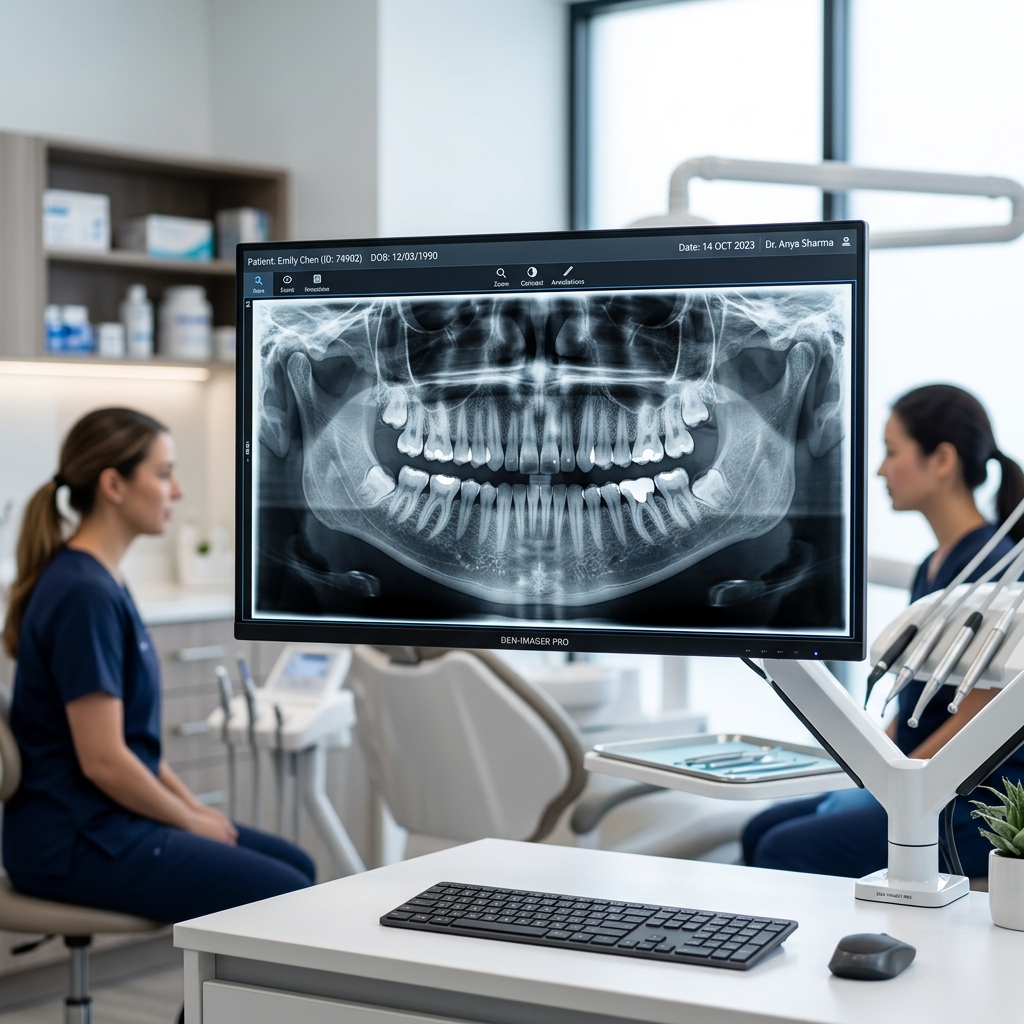
- Sequential Cephalometric X-rays: Taken 6 to 12 months apart and compared. If there is zero change in facial bone measurements, jaw growth is deemed complete.
Why Must Implants Be Postponed Until Growth Stops? (Risks & Complications)
Why not place the implant early to save the teenager's appearance?
The issue lies in how titanium implants integrate with the jawbone. Unlike natural teeth which move with the growing bone, a dental implant acts like an ankylosed structure, staying locked in its initial position. Placing it too early causes:
- Implant Submergence (Infraocclusion): As the jawbone grows, natural teeth move upward and forward while the implant remains stationary, leaving the crown looking sunken and short.
- Crooked Adjacent Teeth: The static implant acts as a barrier to normal development, causing neighboring teeth to tilt and crowd.
- Bite Misalignment: Poor occlusion leads to chewing difficulties, TMJ pain, and chronic jaw headaches.
Temporary Alternatives While Waiting for Skeletal Maturity
To avoid leaving a teenager with an embarrassing gap, several temporary solutions are highly effective:
1. Maryland Bridge
The gold standard for replacing a missing front tooth. It attaches a custom prosthetic tooth to adjacent healthy teeth using thin resin-bonded wings without needing aggressive enamel shaving.
2. Space Maintainers
Simple metal or plastic devices that prevent adjacent teeth from shifting into the gap, saving the space for a future implant.
3. Temporary Partial Denture (Flipper)
An affordable, lightweight removable option that fills the gap and is easily modified as the teenager's jaw continues to grow.
The Step-by-Step Implant Procedure for Teenagers
Once skeletal maturity is confirmed, the implant process proceeds as follows:
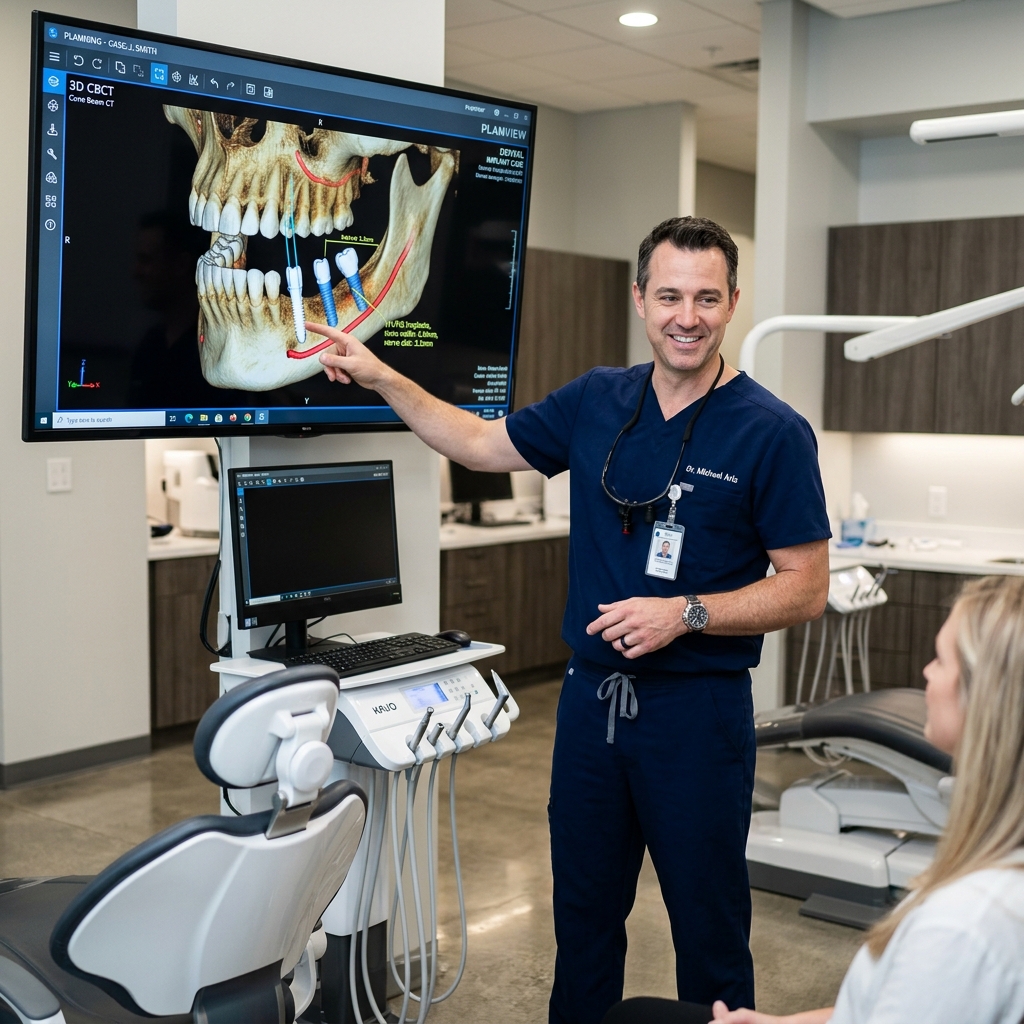
- CBCT 3D Scan: For evaluating bone density and safe implant positioning.
- Surgical Placement: Inserting the titanium post into the bone under local anesthesia (takes 30-45 minutes).
- Osseointegration: Waiting 3 to 6 months for the bone to fuse securely around the implant.
- Final Crown Fitting: Placing a custom zirconia or E-max crown designed to match adjacent teeth.
Expected Cost of Teenagers Dental Implants in Turkey 2026
Our partner clinics in Istanbul offer comprehensive packages for teenage dental restorations. The cost of a complete dental implant (premium German/Swiss post + zirconia crown + VIP transfers + 5-star hotel) ranges between $600 and $1,200, offering top-tier JCI quality at 60% savings compared to Western clinics.
Long-term Care Guidelines for Teenagers
- Brushing & Flossing: Brush twice daily and use water flossers to protect the gum collar around the implant.
- Mandatory Mouthguard: Always wear a custom sports mouthguard during contact sports to protect the dental restoration from trauma.
- Avoid Bad Habits: Refrain from chewing ice, hard candies, or biting pen caps to prevent crown fractures.