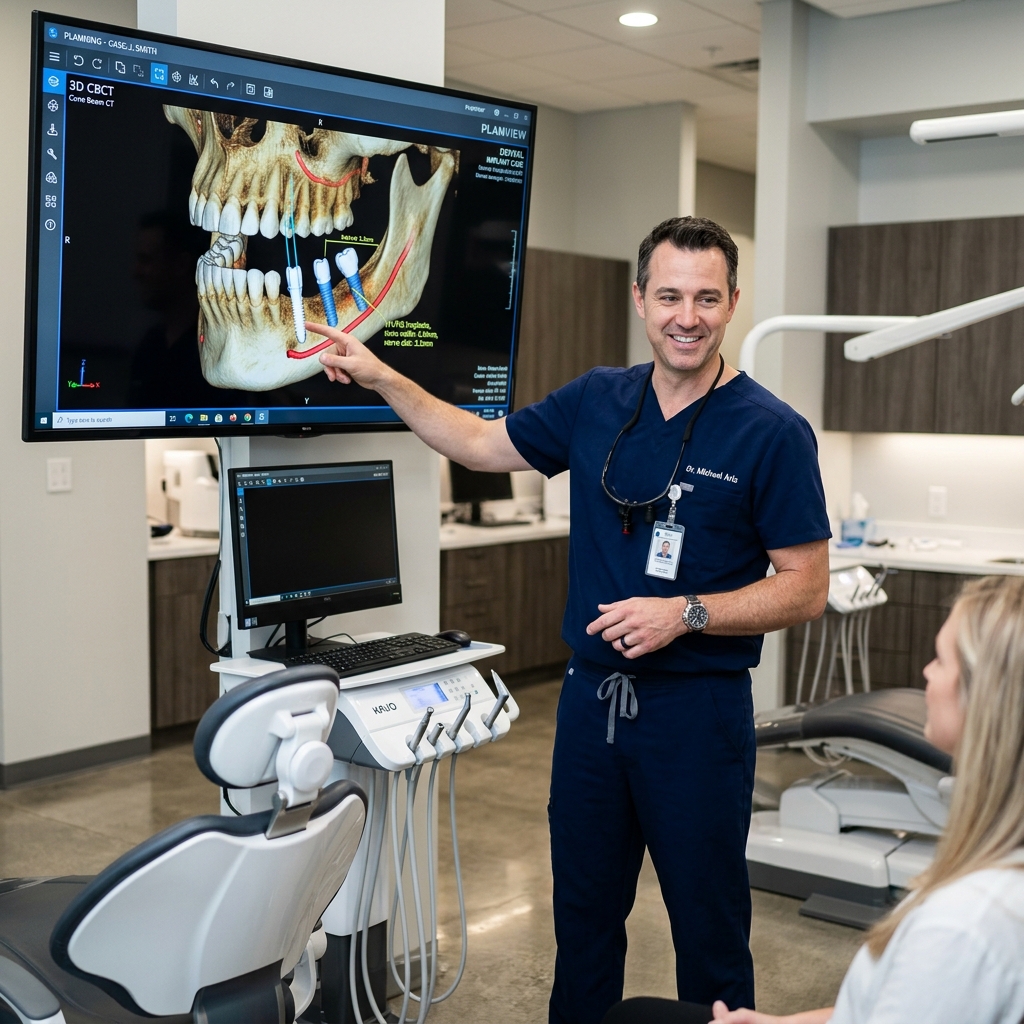


The Relationship Between Diabetes & Oral Health
Diabetic patients face unique challenges when it comes to oral health, especially when teeth are lost and stable, safe replacements are needed. In this clinical scenario, vital questions arise: **Are Straumann dental implants suitable for diabetic patients?** Can they be relied upon to deliver highly successful, long-term results without post-operative complications?

How Diabetes Affects the Gums & Jawbone
Elevated blood glucose levels impair the body's natural defense mechanisms against bacteria, making the gums highly susceptible to severe infections. When diabetes is uncontrolled, harmful oral bacteria multiply rapidly, leading to chronic gingivitis which can quickly progress to periodontitis (gum disease). This ongoing inflammation directly damages the supportive jawbone, causing bone resorption. Furthermore, high blood sugar constricts microscopic blood vessels in the gingiva, reducing oxygen and nutrient delivery to the surgical site, thereby delaying healing and regeneration.
Why Do Diabetic Patients Suffer From Higher Tooth Loss?
Medical statistics reveal that diabetic individuals are twice as likely to lose their teeth compared to non-diabetics. The primary reason is chronic periodontal inflammation. In addition, dry mouth (xerostomia)—a common side effect of diabetes—reduces saliva flow, which is necessary to wash away acids and protect the oral cavity from pathogenic bacteria.
Are Straumann Implants Suitable for Diabetic Patients?
The short answer is **yes, with an excellent success rate exceeding 95%**, provided the diabetes is well-controlled. Straumann implants are highly suitable for diabetics under proper medical monitoring. Their success does not rely solely on structural strength, but on advanced biological surface technologies engineered specifically to overcome delayed healing and low bone density in diabetic patients.
What Makes Straumann Stand Out from Other Systems?
Straumann Swiss implants feature industry-leading engineering and clinical patents:
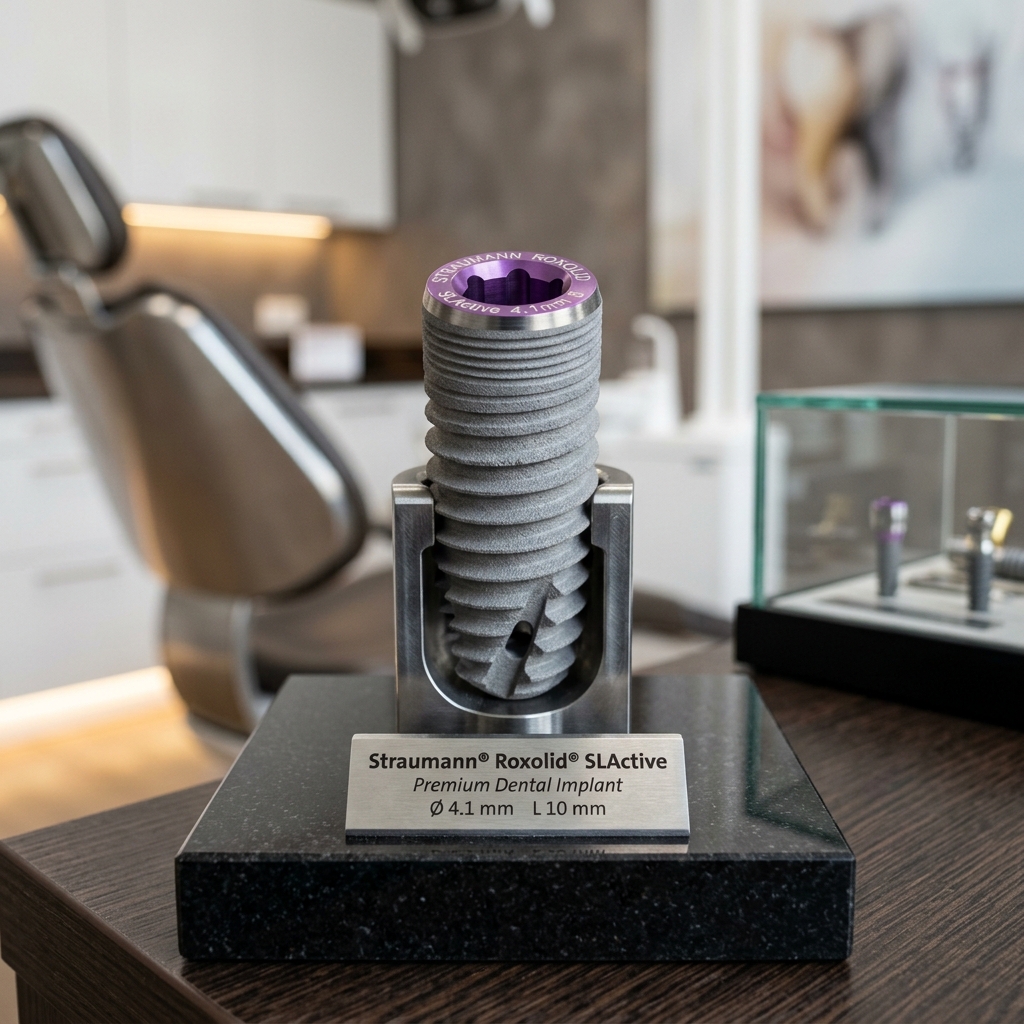
- Roxolid Material: A unique alloy of 85% titanium and 15% zirconium, which is 50% stronger than pure titanium. This exceptional strength allows the use of narrower and shorter implants, avoiding complex bone grafting procedures in diabetic patients.
- SLActive Surface Treatment: A highly active hydrophilic surface that attracts blood and bone cells immediately, promoting extremely fast initial integration.
The Role of SLActive Technology in Rapid Osseointegration
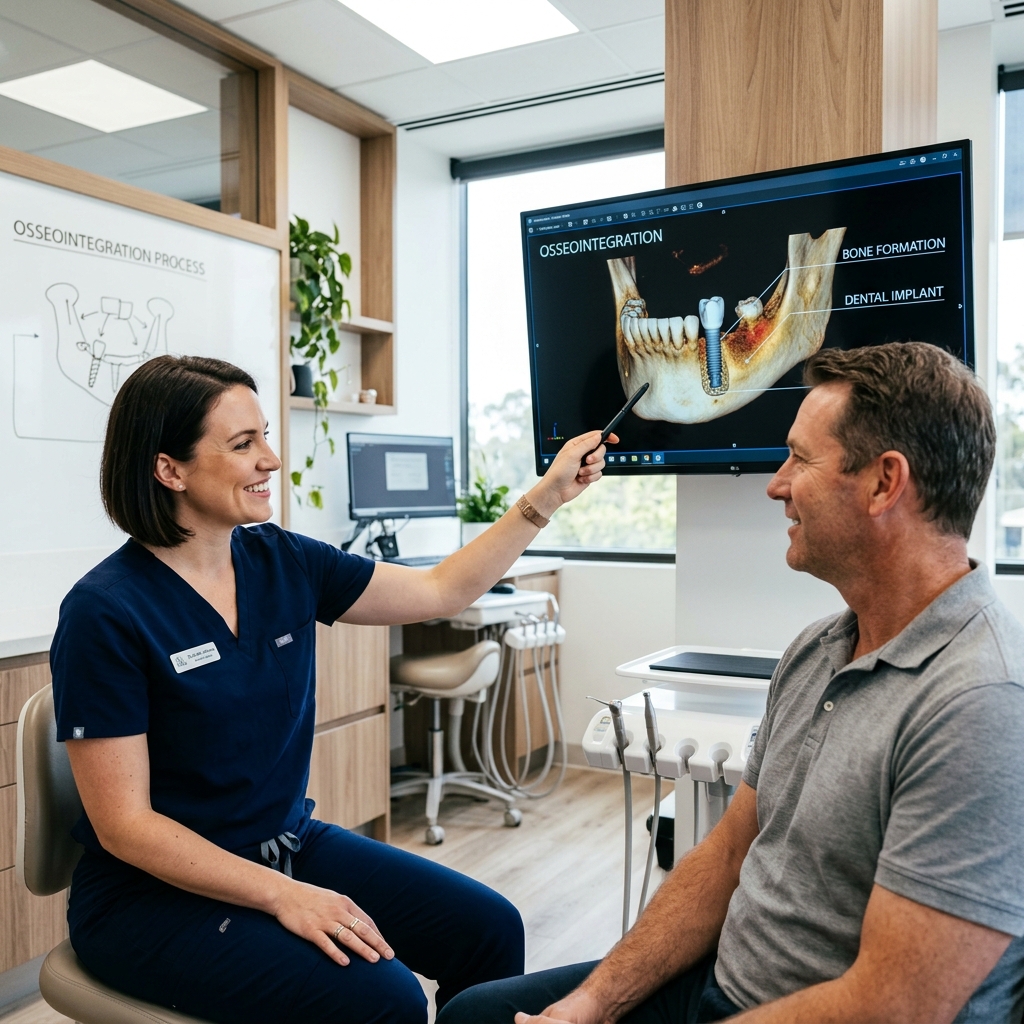
The **SLActive** surface is Straumann's premier clinical solution for high-risk patients, including diabetics and smokers. The implant is stored in a sterile saline solution to prevent oxidation, preserving its highly active, hydrophilic surface. Once placed in the jaw, the surface immediately draws in blood proteins, forming a dense fibrin network that feeds osteoblasts (bone-forming cells). This biological activity accelerates bone integration, shortening the critical healing window from **8 weeks to just 3-4 weeks**, offsetting the delayed tissue healing characteristic of diabetes.
Mandatory Conditions for Placing Implants in Diabetic Patients
To ensure a safe surgical outcome and minimize risks, the following parameters must be met:
- HbA1c Blood Level: The primary safety metric. The patient's HbA1c level must be **below 7%** (up to 7.5% in highly stable cases). An HbA1c level above 8% presents severe risks and requires delaying the surgery.
- Stable Daily Glucose Readings: The patient must demonstrate stable glucose readings without sudden spikes or drops in the days prior to surgery.
- Zero Active Oral Infections: All gum disease, tooth decay, or abscesses must be treated beforehand to prevent bacterial migration to the implant site.
- Adequate Bone Volume: Verified via 3D CBCT scans to ensure healthy bone depth and width to support the implant post.
Potential Risks, Complications & Prevention
Despite Straumann's premium quality, poor diabetic control or lack of home care can lead to serious complications:
- Infection Risks (Peri-implantitis): Weakened systemic immunity increases the likelihood of bacterial invasion. This is controlled by using prophylactic antibiotics and antiseptic mouthwashes (chlorhexidine).
- Delayed Healing: Gums may take 3-4 weeks to close instead of the standard 2 weeks. Adequate nutrition (Vitamin C, D, and Zinc) is highly beneficial.
- Osseointegration Failure: Continuous high blood sugar post-surgery prevents bone cells from matrix mineralization, leading to implant mobility.
Essential Guidelines for Diabetic Patients Getting Straumann Implants
- Endocrinologist Collaboration: Your endocrinologist must review the surgical plan and adjust insulin or oral medication doses to align with the appointment time and post-op diet.
- Complete Smoking Cessation: Smoking restricts blood flow and slows healing. Combined with diabetes, it increases the risk of implant failure to 20%.
- Soft Food Diet: Stick to soft, nutrient-dense foods (soups, yogurt, purees) for the first few weeks to prevent mechanical loading on the implant.
- Meticulous Oral Hygiene: Brush gently with a soft-bristled brush and utilize a water flosser to keep the area sterile without irritating the healing tissue.
Immediate vs. Traditional Placement for Diabetic Patients
- Immediate Placement: Inserting the implant immediately after tooth extraction. Only suitable for diabetics with ideal bone density, zero active infection, and excellent glucose control (HbA1c under 6.5%).
- Traditional Placement: Waiting 2-3 months after extraction to allow the socket bone and gums to heal before implant insertion. This is the safest, most predictable option for the majority of diabetic patients.