

Understanding Biological Challenges in Complex Dental Implants
Dental implants are widely recognized as the most reliable and long-lasting solution for missing teeth. However, the procedure is a complex biological process that relies heavily on the jawbone's natural ability to fuse with the titanium post. This process is medically known as osseointegration. Biological challenges arise when patients have specific health conditions that restrict blood flow, impair the immune system, or decrease bone density. In the past, dentists often considered smoking, diabetes, and osteoporosis absolute contraindications for implants. Today, thanks to **dental implants for difficult cases** and advanced digital protocols in Turkey, oral surgeons can achieve success rates exceeding 95% using specialized, highly precise clinical strategies.
1. Dental Implants for Smokers (Protocols & Challenges)
Smoking in all forms (cigarettes, shisha, and e-cigarettes/vaping) presents the single largest challenge to implant success due to several physiological factors:
- Nicotine Contraction: Nicotine constricts blood vessels, drastically reducing the flow of oxygen and essential nutrients to the jawbone and surrounding gums. This severely delays osseointegration and wound healing.
- Carbon Monoxide Toxicity: Carbon monoxide replaces oxygen in the bloodstream, depriving bone cells of the vital nutrients needed to regenerate and lock around the titanium post.
- Higher Infection Risks: Hot smoke and chemical toxins impair localized oral immunity, making the gums highly susceptible to bacteria and peri-implantitis (inflammation around the implant).
Our Successful Protocol for Smokers:
To ensure implant stability, we enforce a strict clinical protocol for smokers in our partner clinics:
- Temporary Cessation: Complete smoking cessation is mandatory for at least **2 weeks before surgery** and **8 weeks after implant placement** (the critical bone-building window).
- Alternative Nicotine Therapy: Low-dose nicotine patches or gums may be used under strict medical supervision to manage withdrawal symptoms.
- Prophylactic Antibiotics: Prescribing advanced preventive antibiotics and oral antiseptic rinses (chlorhexidine) to eliminate bacterial buildup.
2. Dental Implants for Diabetics (Safety Standards & Preparation)
Diabetes is not a contraindication for dental implants, provided it is **well-controlled and monitored**. Uncontrolled diabetes leads to slow wound healing, a weakened immune response against micro-infections, and rapid bone loss, which significantly increases the risk of implant failure.
Required Medical Assessment for Diabetics:
Before proceeding with oral surgery, diabetic patients must undergo the following tests:
- HbA1c Blood Test: This is the primary safety indicator. An HbA1c level **under 7%** is optimal for safe surgical intervention. Surgeons may accept up to 7.5% if daily glucose readings are highly stable.
- Fasting & Daily Glucose Logs: To verify blood sugar stability in the days leading up to the appointment.
Clinical Protocol During & After Surgery:
- Morning Appointments: We schedule implant surgery for diabetics early in the morning when blood sugar levels are naturally most stable, following a light breakfast and the patient's routine medication.
- Physician Coordination: Close collaboration is maintained with the patient's endocrinologist to adjust insulin or oral medication doses if necessary.
- Meticulous Wound Management: Utilizing delicate cosmetic sutures and scheduling follow-up visits every two weeks to monitor gum healing.
3. Dental Implants with Bone Resorption & Low Bone Density
A lack of supportive jawbone is a common complication. Without sufficient bone width or height, achieving primary implant stability is highly challenging. Bone resorption typically results from long-term tooth loss, chronic gum disease (periodontitis), or systemic osteoporosis.
Advanced Surgical Alternatives for Low Bone Density:
Modern implantology offers excellent alternatives to traditional, extensive bone grafting surgeries:
- Bone Grafting & Barrier Membrane: Placing bovine or synthetic bone material covered by a protective collagen membrane, allowing the site to mature into solid bone over 3 to 6 months before implant placement.
- All-on-4 & All-on-6 Tech: Tilting the posterior implants at 30-45 degree angles to anchor them in denser anterior bone, bypassing the maxillary sinuses and nerves, which eliminates the need for bone grafts.
- Short & Narrow Implants: Specially engineered short posts (6-8 mm) designed to fit thin jawbones without risk of nerve damage.
- Zygomatic Implants: For patients with severe upper jaw bone loss, extra-long implants are anchored directly into the cheekbone (zygoma), offering a highly stable, immediate solution.
Advanced Digital Technologies for Complex Implants in Turkey
Accredited dental centers in Istanbul achieve near 98% success rates for difficult cases utilizing advanced medical systems:
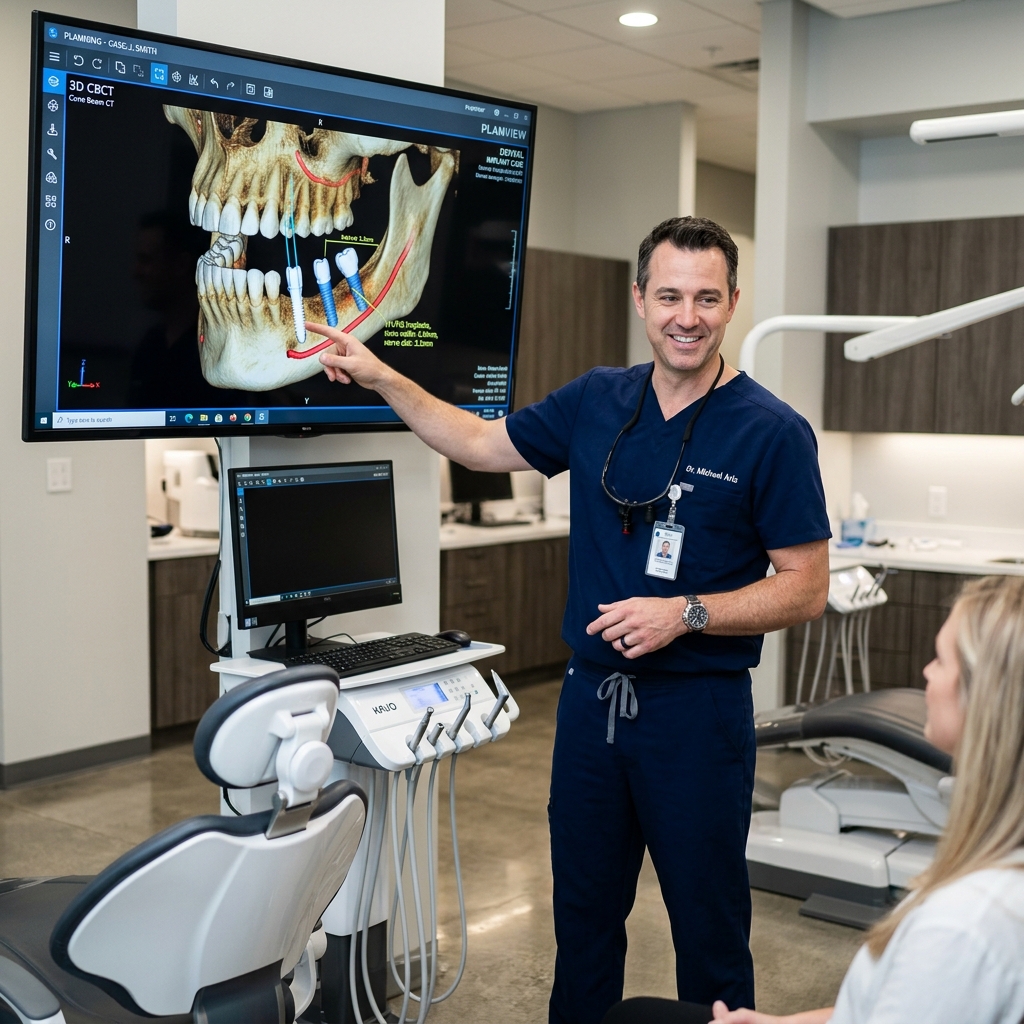
- 3D CBCT Scanning & Surgical Guides: Merging 3D bone scans with digital oral scans to print a customized surgical guide. The guide directs the surgeon's drill at the precise angle and depth, reducing surgical trauma.
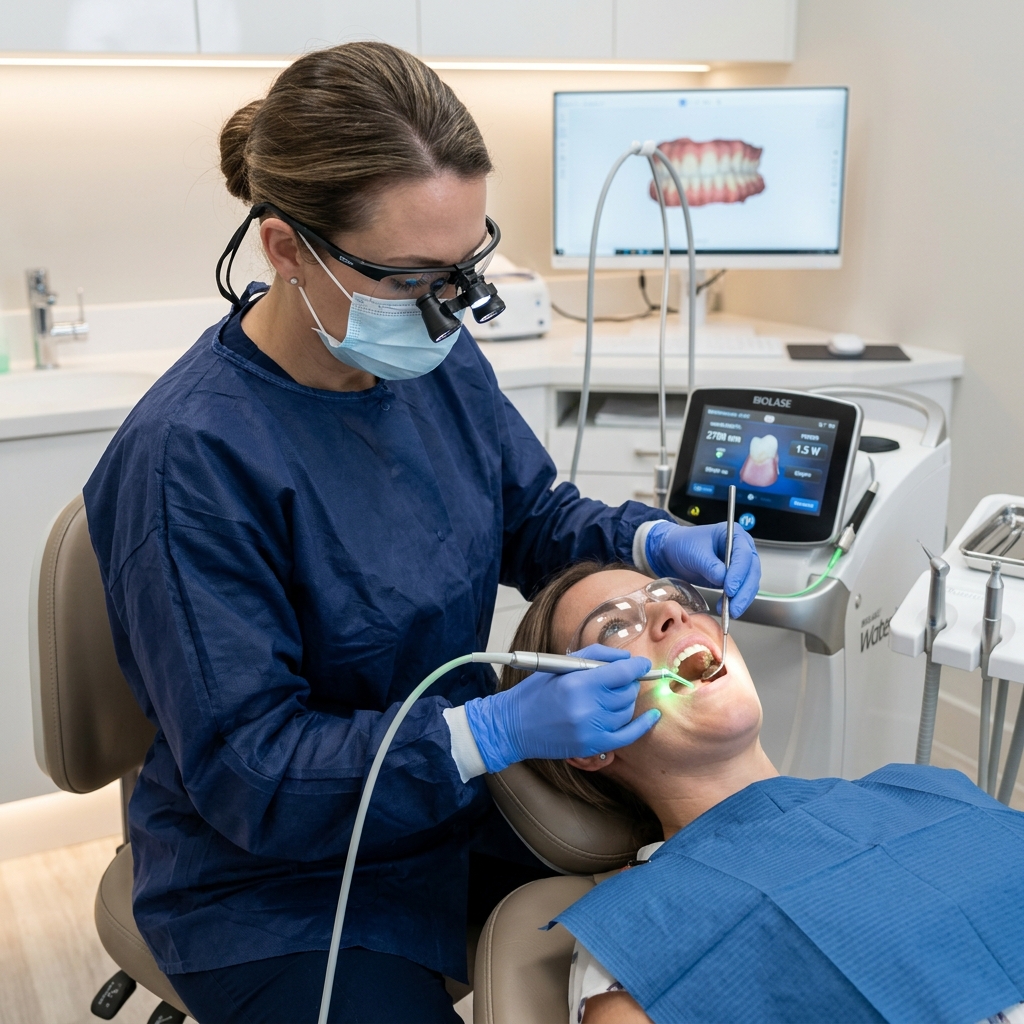
- Laser-Assisted Implantology: Using water lasers to perform bloodless, sterile incisions, which minimizes post-operative swelling and pain—highly beneficial for diabetic and smoking patients.
- PRP/PRF Therapy (Platelet-Rich Plasma): Using the patient's own concentrated platelets to cover the bone graft and implant, accelerating bone and tissue regeneration by 50%.
Long-term Care Guidelines for Complex Cases
Patient compliance with home care accounts for 50% of the long-term success of dental implants in complex cases:
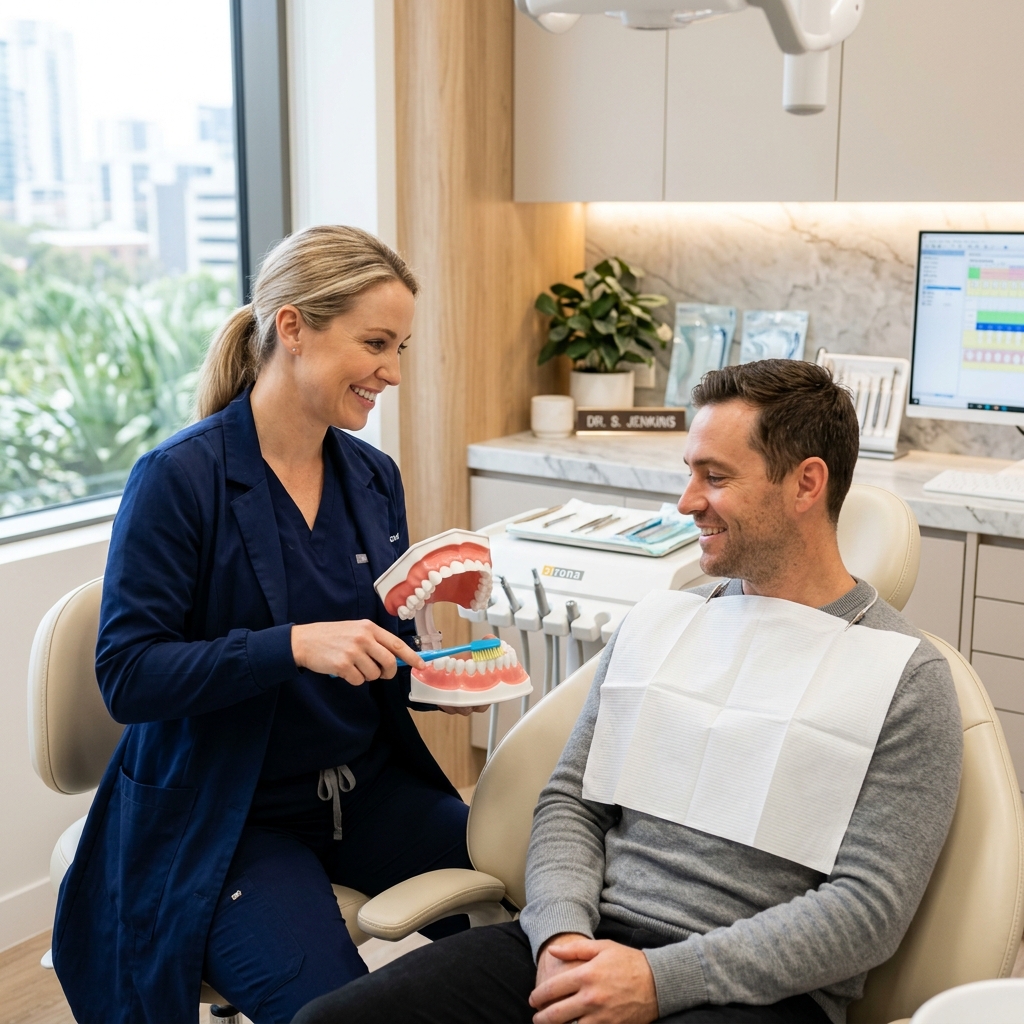
- Rigorous Oral Hygiene: Brush 3 times daily with a soft-bristled brush, and use a water flosser to gently clean under crowns and bridges.
- Routine Clinical Follow-ups: Visit the clinic every 3 months for the first year, then every 6 months for professional deep cleaning and radiographic checks.
- Healthy Lifestyle Habits: Keep blood sugar levels tightly controlled, avoid tobacco completely, and eat a nutrient-rich diet high in calcium and vitamins to support bone health.
Why Choose Turkey for Dental Implants in Complex Cases?
Istanbul has become a global center for complex oral surgery and digital dentistry due to:
- Top-tier maxillofacial surgeons with extensive international board certifications.
- Advanced digital operating facilities and premium European implant brands with lifetime warranties.
- All-inclusive VIP packages (VIP private transport, 5-star hotel, personal translation) at a 60% to 70% cost saving compared to Western Europe and North America.