

Introduction to Pregnancy after Gastric Sleeve
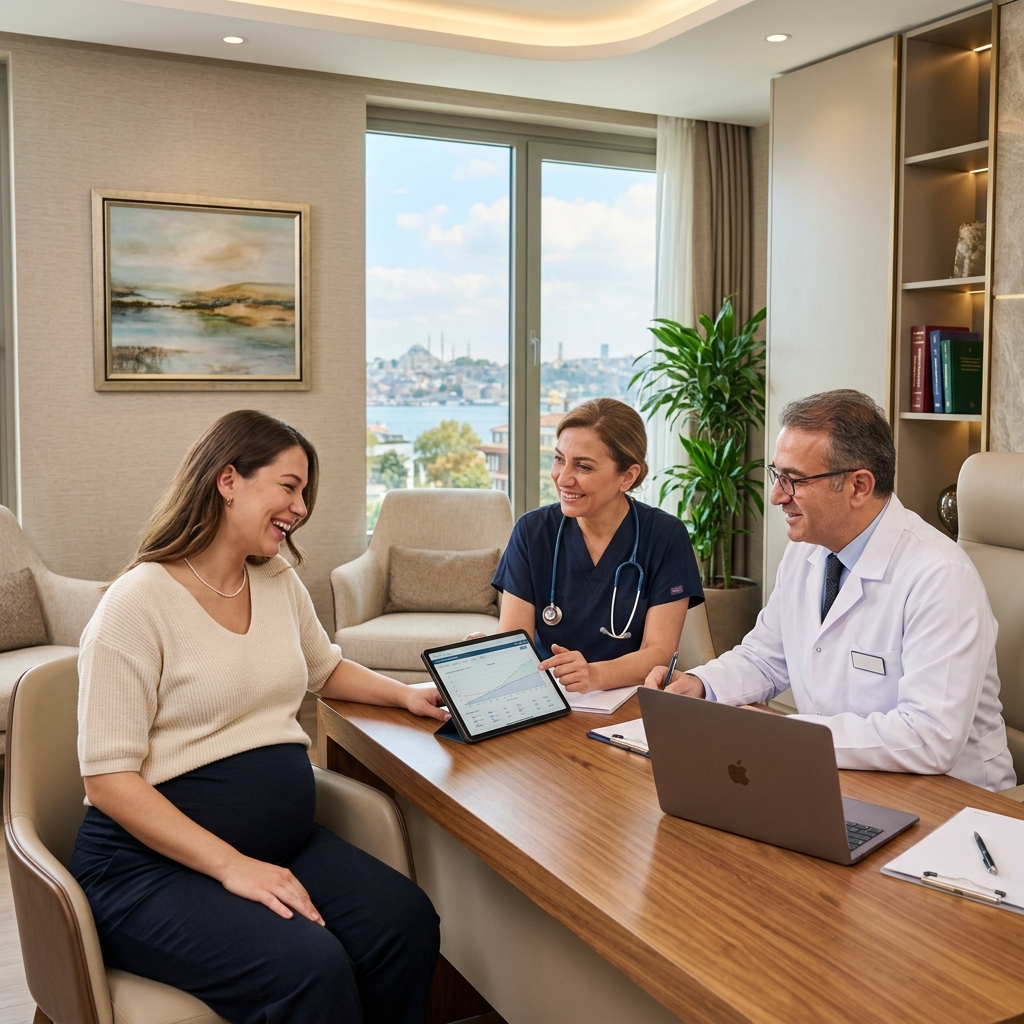
A query that heavily occupies the minds of many women considering or recovering from bariatric surgery is: "Does gastric sleeve affect pregnancy?" The medical consensus is reassuring: pregnancy after weight loss surgery is not only safe but often much healthier than pregnancy with obesity. However, to ensure a safe gestation and a healthy baby, specific clinical timelines and nutritional protocols must be carefully followed.
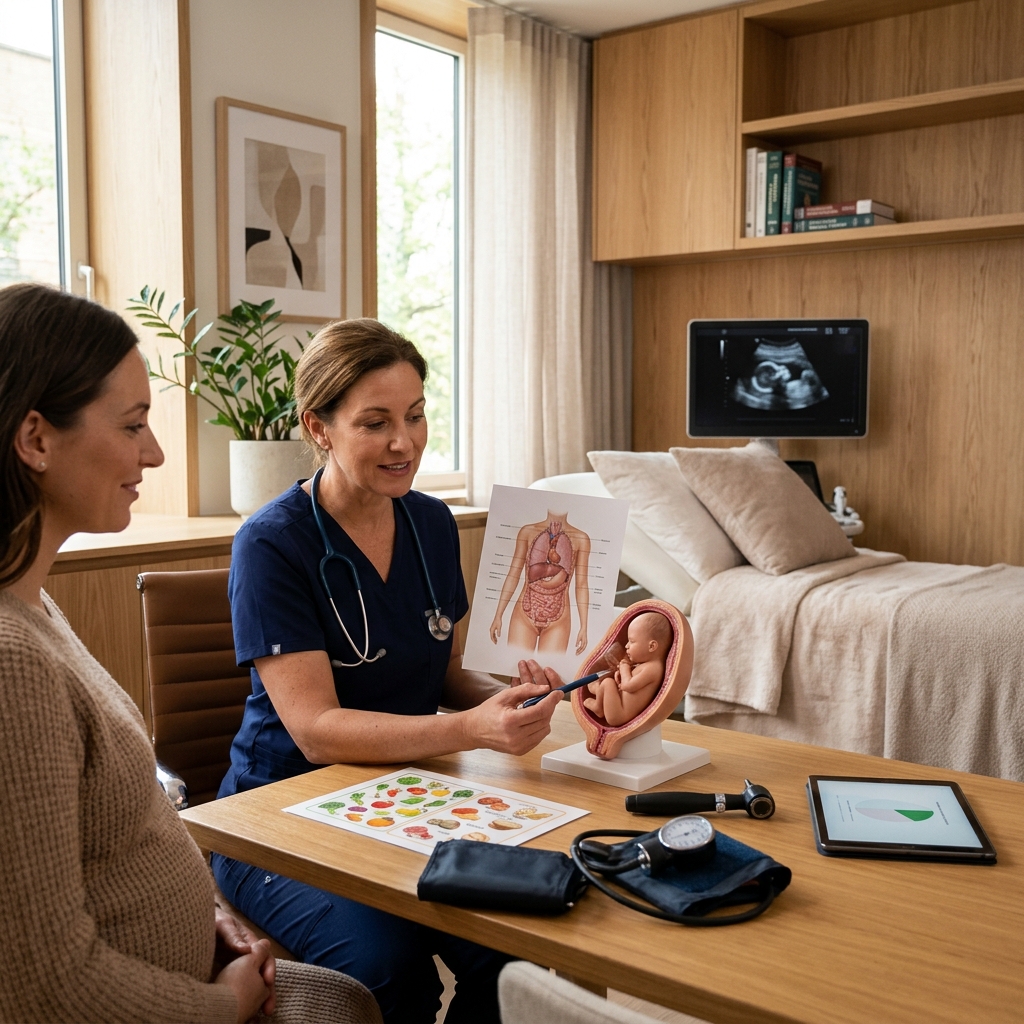
How Gastric Sleeve Surgery Enhances Fertility
Obesity is a major cause of hormonal imbalances and reproductive issues in women, frequently leading to ovulation problems and Polycystic Ovary Syndrome (PCOS). Gastric sleeve surgery aids in restoring fertility through two main pathways:
- Hormonal Regulation: Significant weight loss helps normalize estrogen and androgen levels, correcting menstrual cycle irregularities.
- Restoration of Ovulation: As insulin resistance resolves, the ovaries begin to release eggs regularly, substantially increasing the chances of natural conception.
When Can You Safely Get Pregnant After a Gastric Sleeve?
Global medical guidelines and bariatric surgeons in Turkey recommend waiting **12 to 18 months** post-surgery before trying to conceive. This waiting period is critical because:
- Rapid Weight Loss Phase: During the first year, your body goes through intense fat-burning and caloric restriction, which is not an ideal environment for fetal development due to potential nutrient deficiencies.
- Nutritional Stabilization: After 18 months, weight stabilizes and nutrient levels balance out, ensuring a steady supply of vitamins and minerals to support a healthy pregnancy.
Clinical Note: Recent studies suggest that waiting 18 to 24 months minimizes the risks of having a baby that is small for gestational age. A thorough medical evaluation by both your bariatric team and OB/GYN is mandatory.
Proven Benefits of Pregnancy Post-Gastric Sleeve
Conceiving after achieving a healthier weight offers substantial health advantages compared to pregnant patients struggling with obesity:
- Over a 60% reduction in the risk of developing gestational diabetes.
- Lower incidence of gestational hypertension and preeclampsia.
- Decreased likelihood of requiring an emergency Cesarean section (C-section).
- A physically more comfortable pregnancy with less stress on the back and joints.
Nutritional Care and Essential Supplements for Pregnant Patients
Having a smaller stomach capacity means you must be deliberate with your diet and highly consistent with your prenatal supplements to prevent maternal and fetal deficiencies:
- Iron and Vitamin C: Crucial for preventing maternal anemia, which is more common after stomach surgeries.
- Folic Acid: Indispensable in the first trimester to prevent neural tube defects in the developing fetus.
- Calcium and Vitamin D: Vital to support the development of fetal bones and teeth without depleting the mother's calcium stores.
- Vitamin B12: Essential for red blood cell formation and neurological health.
- Meal Management: Eat 5 to 6 small, protein-rich meals daily, and separate fluid intake from solid food by at least 30 minutes.
Contraception During the Weight Loss Phase
Because fertility returns quickly as weight drops, using reliable contraception during the first year is highly recommended. It is important to know that **oral contraceptive pills may be less effective** after gastric sleeve surgery due to altered medication absorption in the digestive tract. Discuss alternative birth control methods, such as IUDs or barrier methods, with your gynecologist.