
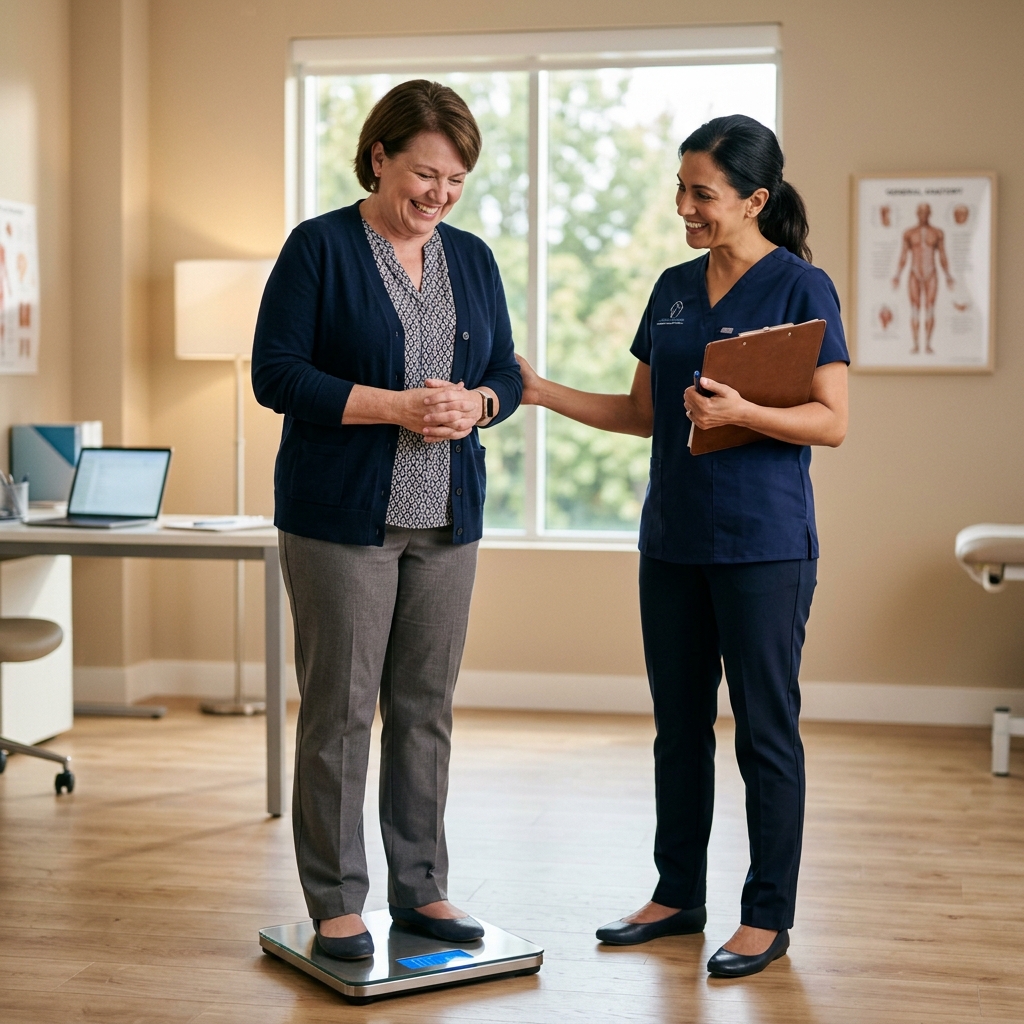


Introduction to Weight Loss after Gastric Sleeve
Following gastric sleeve surgery, one of the most common questions patients ask is: "When will I start seeing results on the scale?". The truth is that weight loss after a sleeve gastrectomy does not follow a linear path. Instead, it occurs in distinct phases, each with its own characteristics and milestones. Understanding this month-by-month weight loss timeline helps manage expectations, prevents unnecessary anxiety, and provides a clear roadmap for your health journey.

Why Does Weight Loss Happen Rapidly in the Beginning?
To understand the timeline, it helps to look at the dual mechanism of laparoscopic sleeve gastrectomy performed in Istanbul:
- Physical Restriction: Removing 75% to 80% of the stomach limits the volume of food you can consume. You feel full and satisfied after only a few bites.
- Hormonal Shift: The removed portion of the stomach is responsible for producing Ghrelin, the primary hunger hormone. Its reduction drastically diminishes appetite and cravings.
Expected Gastric Sleeve Weight Loss Timeline Month-by-Month
These averages represent typical progress for patients who follow dietary guidelines and maintain regular physical activity:
1. Weeks 1 to 2 (The Initial Drop)
During the first two weeks, patients typically lose between 8 to 20 pounds (4 to 9 kg). This rapid drop is driven by the strict liquid-only diet, reduced calorie intake, and the shedding of excess water weight. Some patients may experience a temporary stall around day 3 or 4 as the body recalibrates its fluid balance.
2. Month 1 (Adaptation Phase)
By the end of the first month, the average weight loss ranges from 15 to 30 pounds (7 to 15 kg). Patients with higher starting weights (higher BMI) will generally see larger numbers on the scale during this period.
3. Months 2 to 3 (The Bariatric Honey Moon)
This is the prime weight loss window where the body is highly responsive to the surgery. Patients lose an average of 10 to 20 pounds (5 to 10 kg) per month. By the end of the third month, most patients have lost about 30% to 40% of their excess body weight.
Clinical Note: Many patients experience the famous "3-week stall" (plateau), where weight loss stops for 7 to 10 days. This is completely normal and occurs as the body shifts from water loss to burning stored fat. Stay consistent and the weight will begin dropping again.
4. Months 4 to 6 (Steady Progress)
Weight loss slows down slightly to a steady rate of 6 to 15 pounds (3 to 7 kg) per month as patients transition to solid foods. By month 6, patients typically achieve 50% to 60% of their excess weight loss target.
5. Months 7 to 12 (Approaching Goal Weight)
The rate of loss slows down to 2 to 6 pounds (1 to 3 kg) per month. At the one-year mark, successful and compliant patients will have lost 60% to 80% of their excess body weight.
6. Beyond Year 1 (Maintenance and Stabilization)
Between 12 and 18 months post-op, weight loss plateaus as the body reaches its new set point. The focus shifts from losing weight to long-term weight maintenance and solidifying healthy lifestyle habits.
Key Factors Influencing Weight Loss Speed
Each patient’s journey is unique and depends on several variables:
- Starting Weight: Patients with a higher initial Body Mass Index (BMI) lose more absolute weight initially.
- Gender and Age: Men generally lose weight faster in the first few months due to higher muscle mass and higher metabolic rates.
- Dietary Compliance: Sticking to a high-protein, low-sugar diet and avoiding carbonated beverages is crucial.
- Exercise Routine: Incorporating cardiovascular and strength training helps preserve lean muscle and boosts metabolism.
Practical Tips to Optimize Weight Loss
- Prioritize Protein: Consume 60 to 80 grams of protein daily to protect muscle mass and promote satiety.
- Stay Hydrated: Drink at least 1.5 to 2 liters of water daily, avoiding fluids 30 minutes before and after meals.
- Follow-up with Dietitians: Attend regular follow-up appointments to monitor vitamin levels and adapt food plans.
Success Indicators Beyond the Scale
Remember that success is not just about the number on the scale. Celebrate these life-changing health improvements:
- Significant increase in daily energy levels and mobility.
- Resolution of obstructive sleep apnea and improved sleep quality.
- Remission or improved control of chronic conditions like Type 2 diabetes, high blood pressure, and cholesterol.